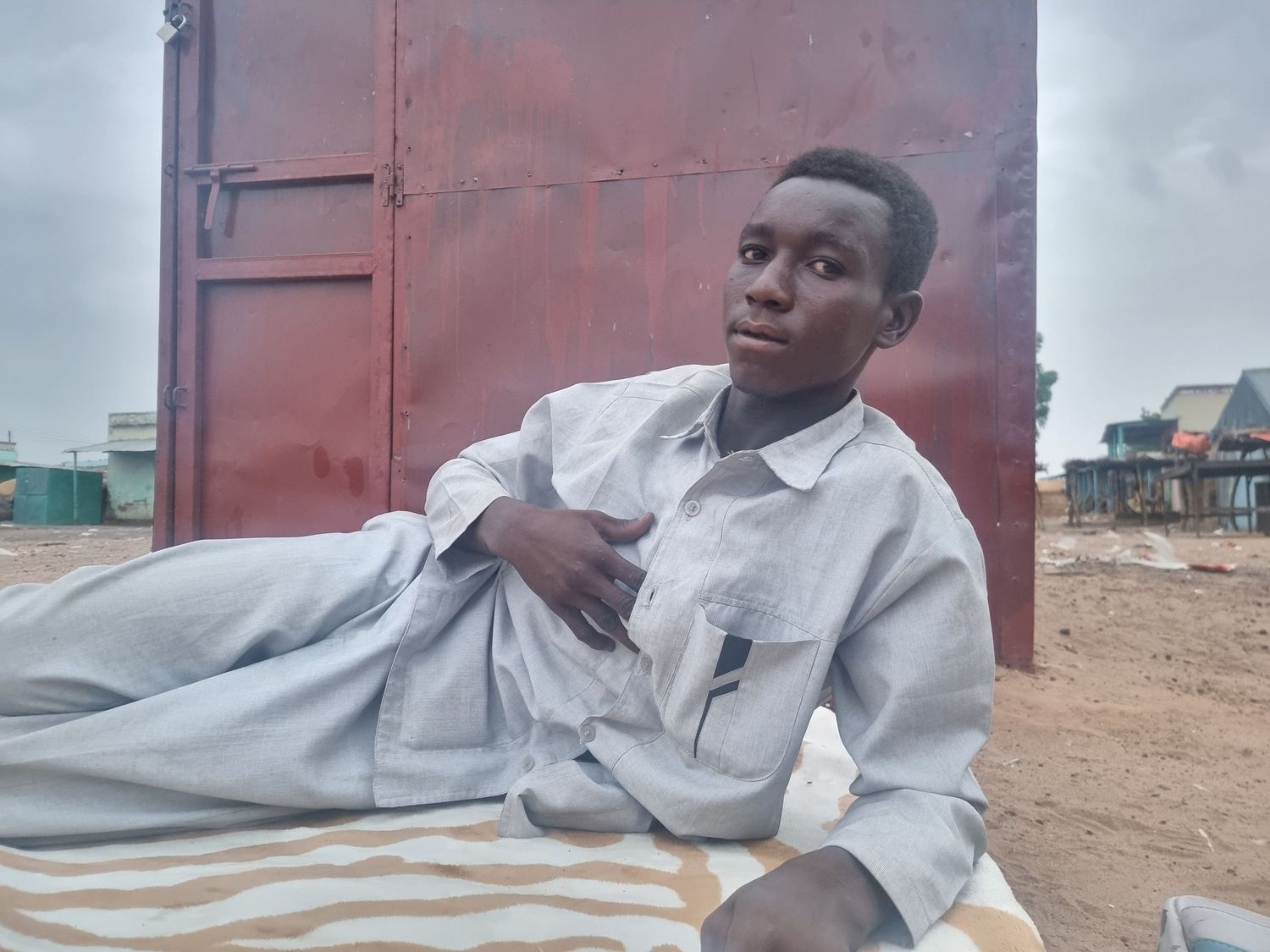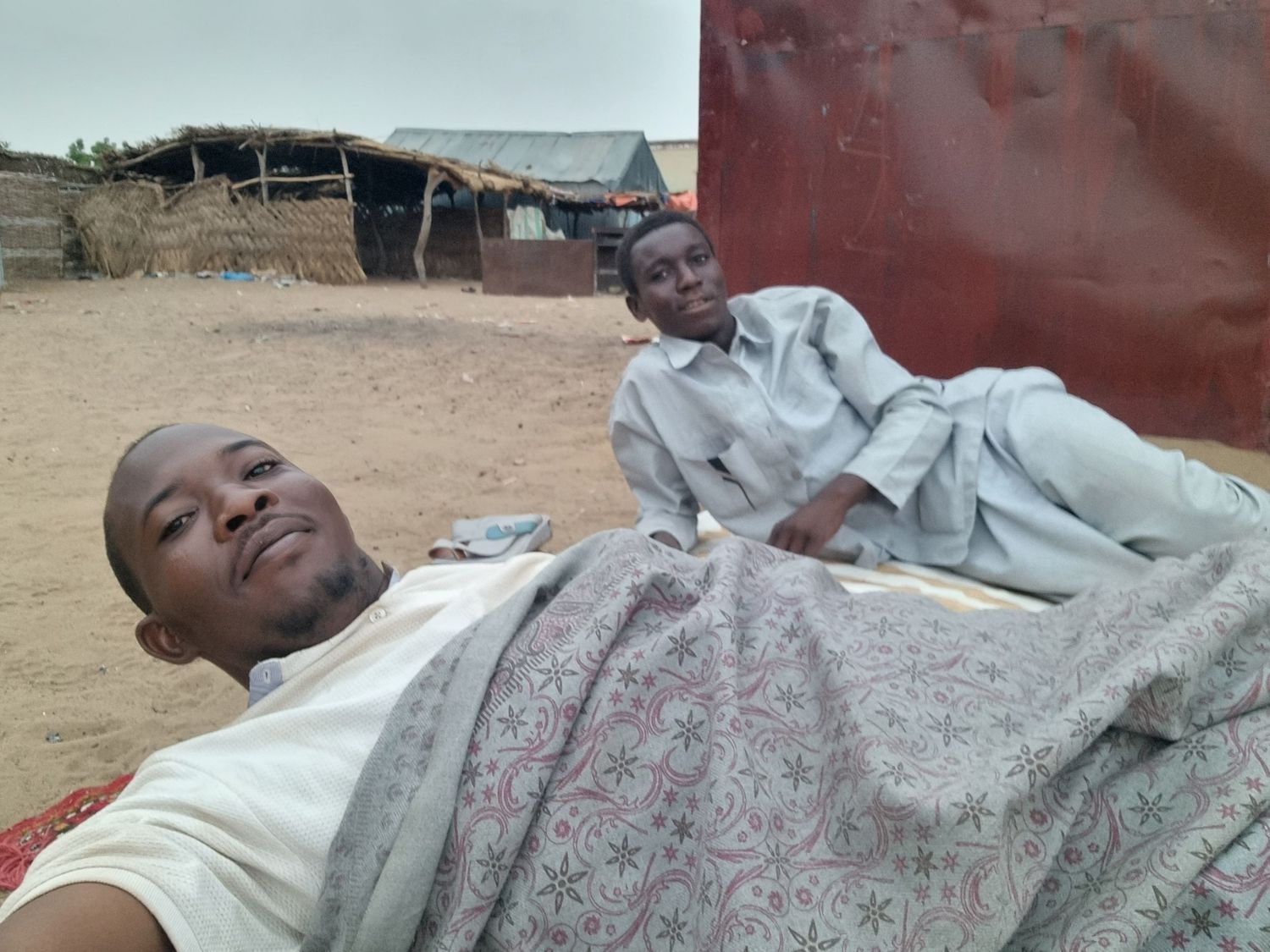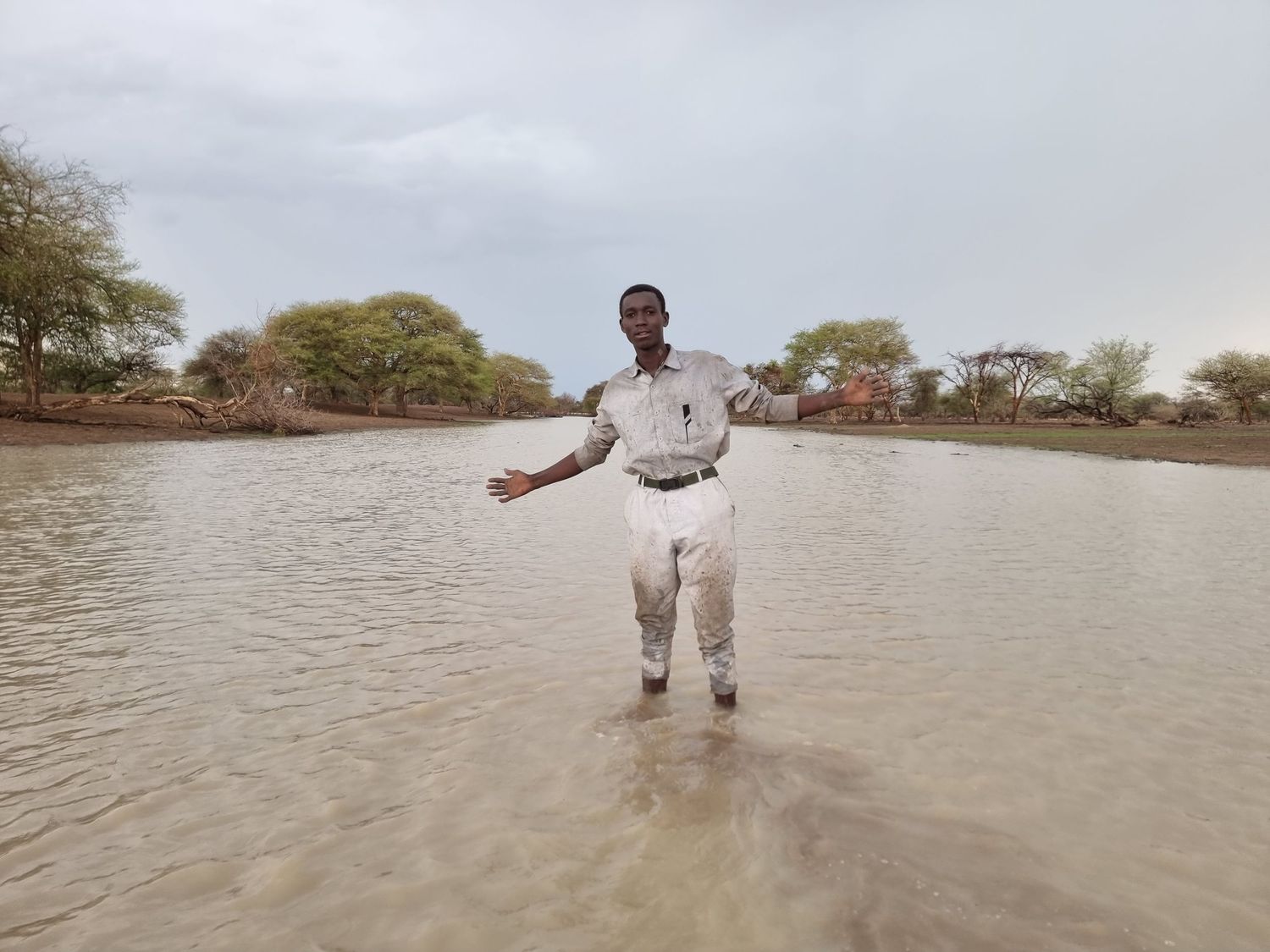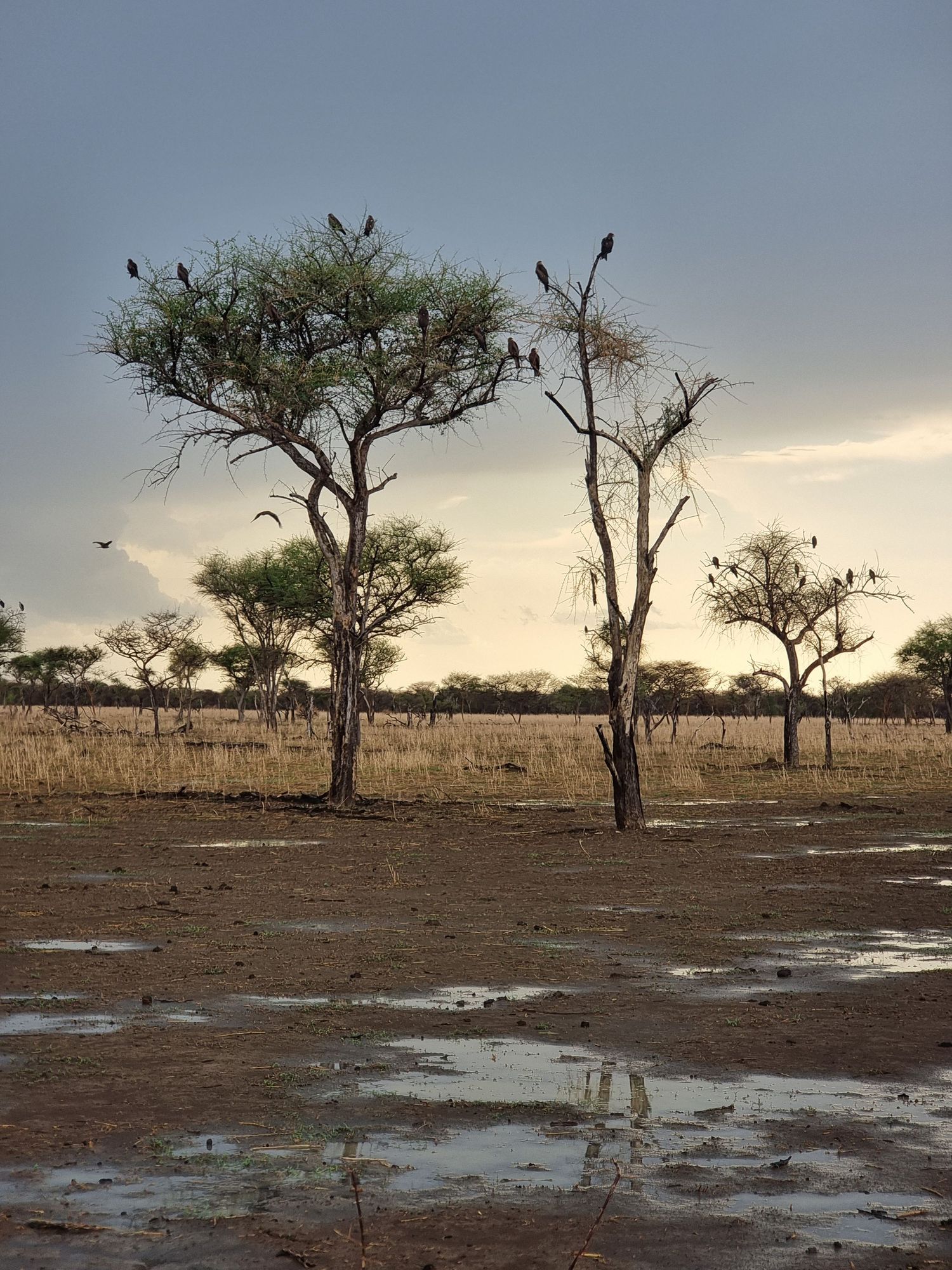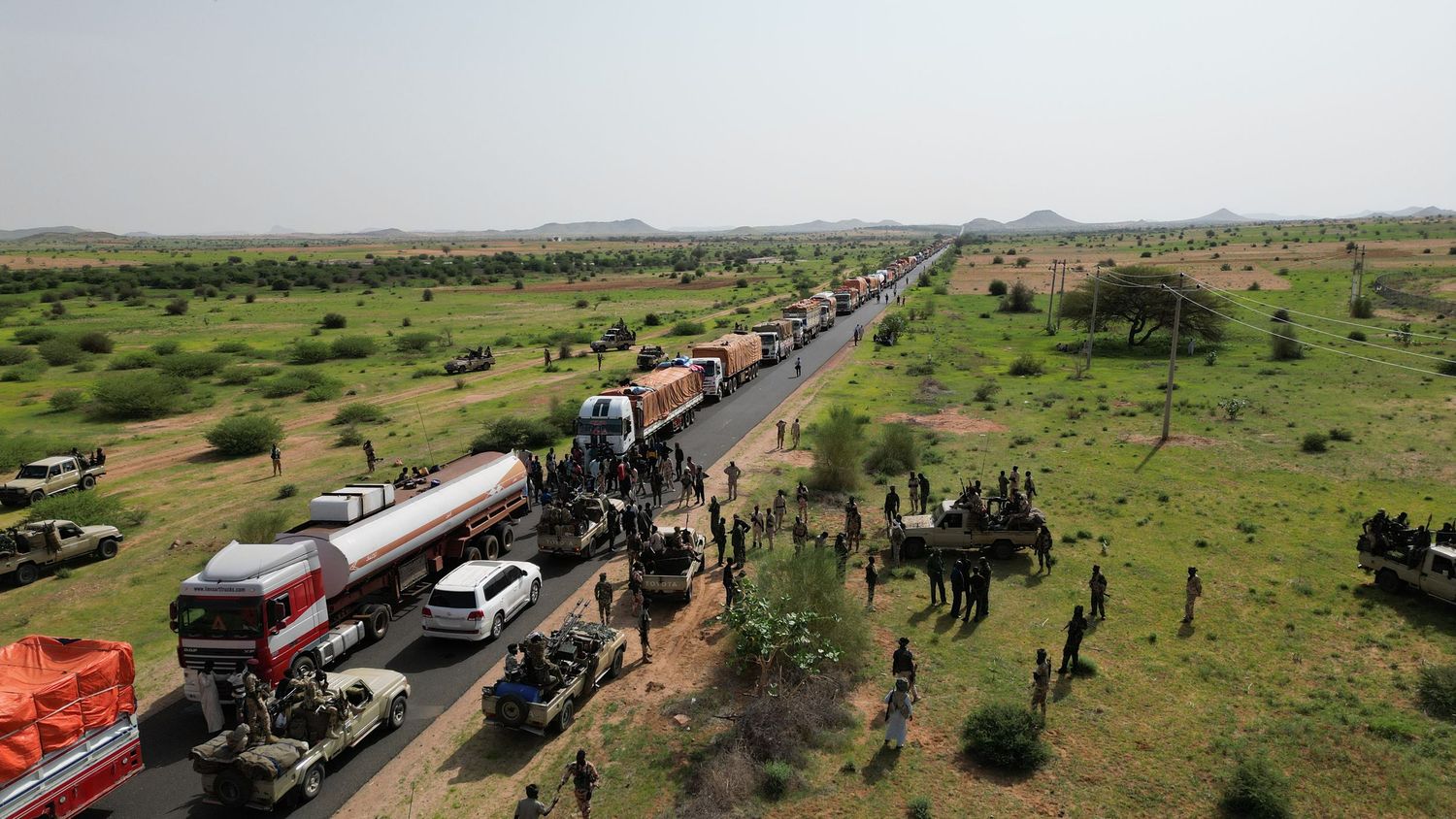
In May 2023, war reached El Fasher, the capital of North Darfur. Within days, the city was cut off—its hospitals overwhelmed, its markets emptied, its people trapped under siege.
This project documents those days: the silence of abandoned streets, the struggle for survival, and the resilience of a city on the edge.
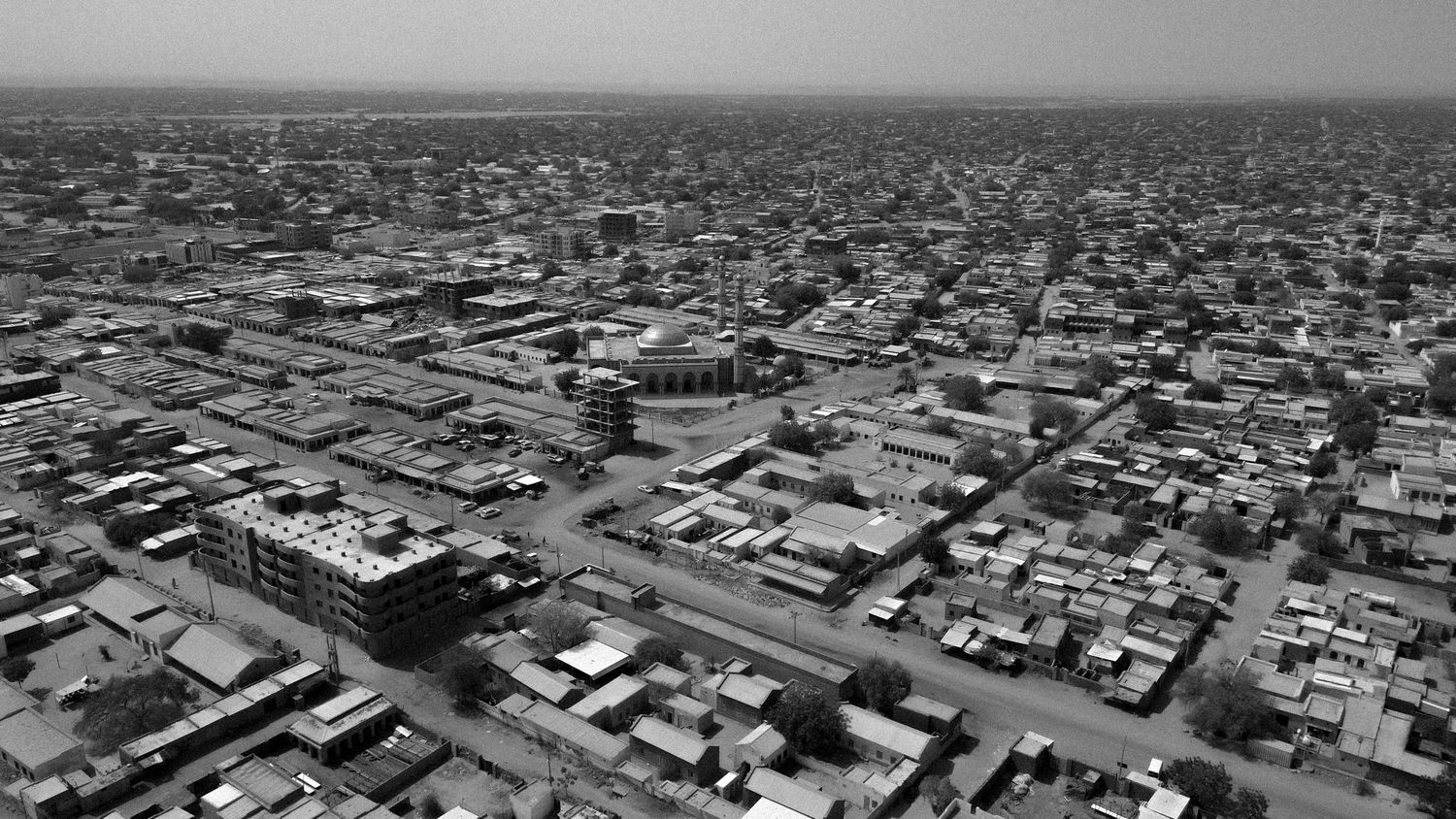
I stood in the middle of the city on the fourth day of the war and found only emptiness. The voices of vendors, children, and life itself had vanished. I felt like the last stranger in a city that had gone dark.
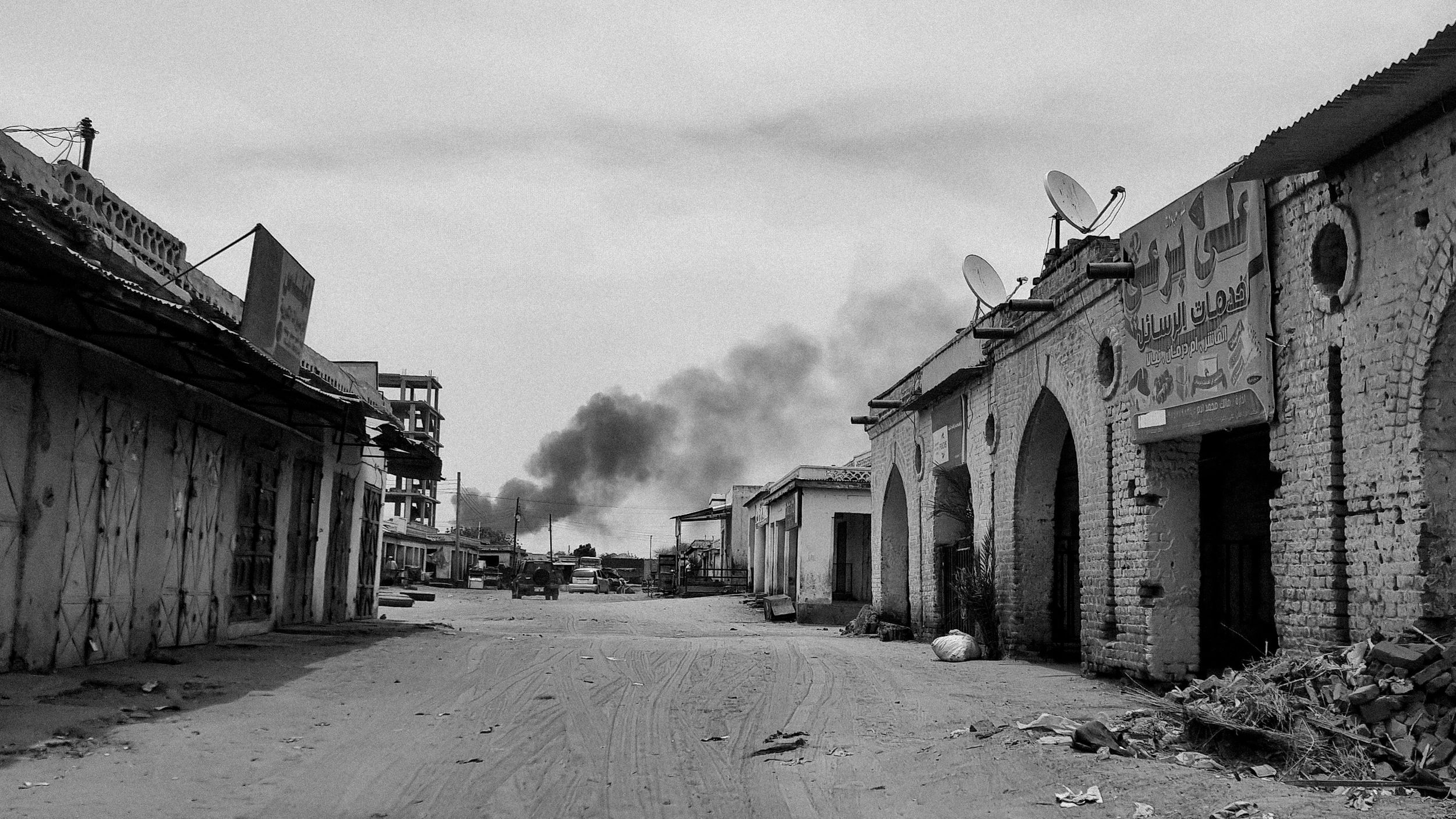
“I have been a witness, and these pictures are my testimony. The events I have recorded should not be forgotten and must not be REPEATED "
Its a War !
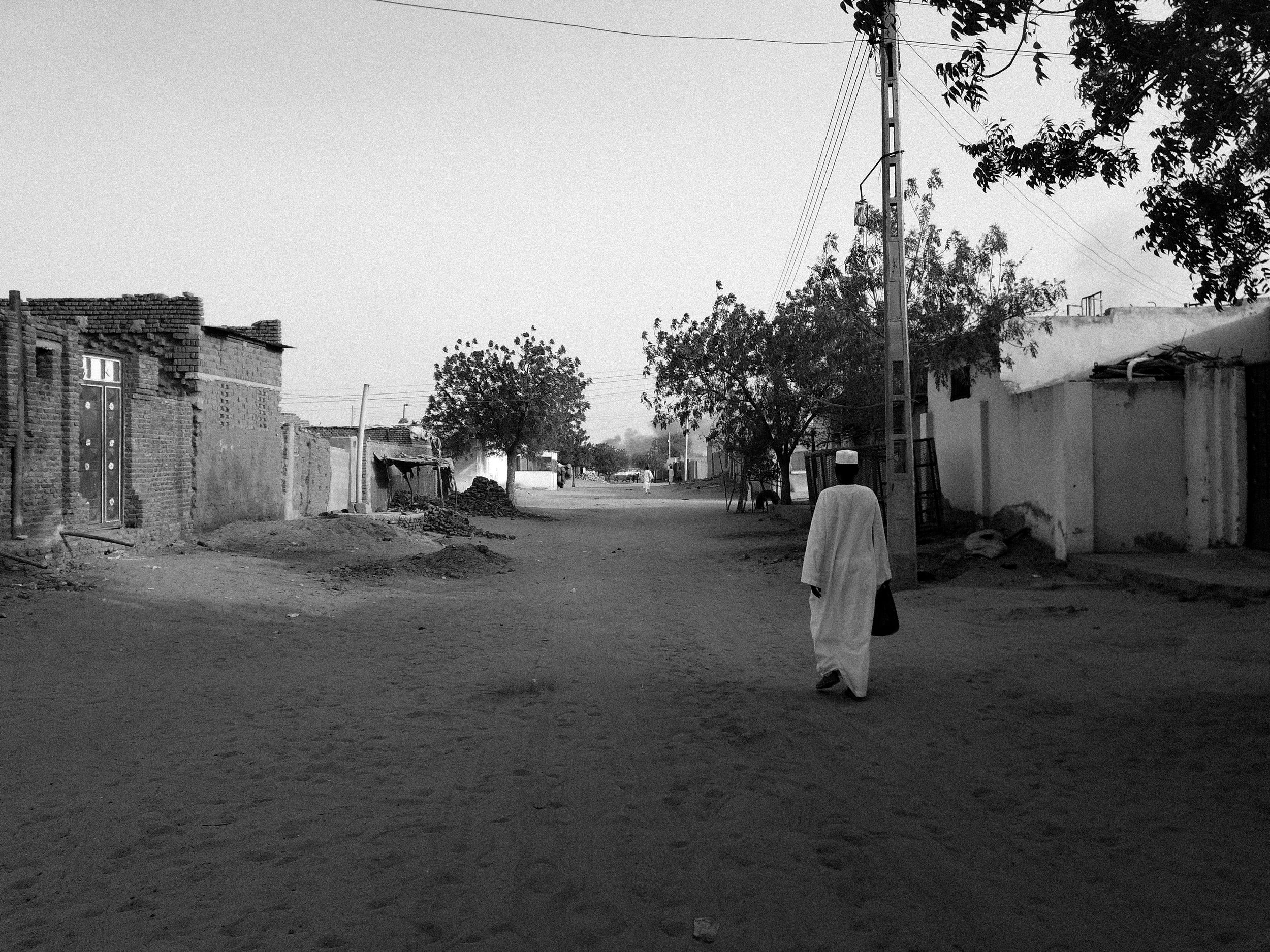
life has changed rapidly... Events are unfolding very quickly...
There is no time to comprehend what is happening.
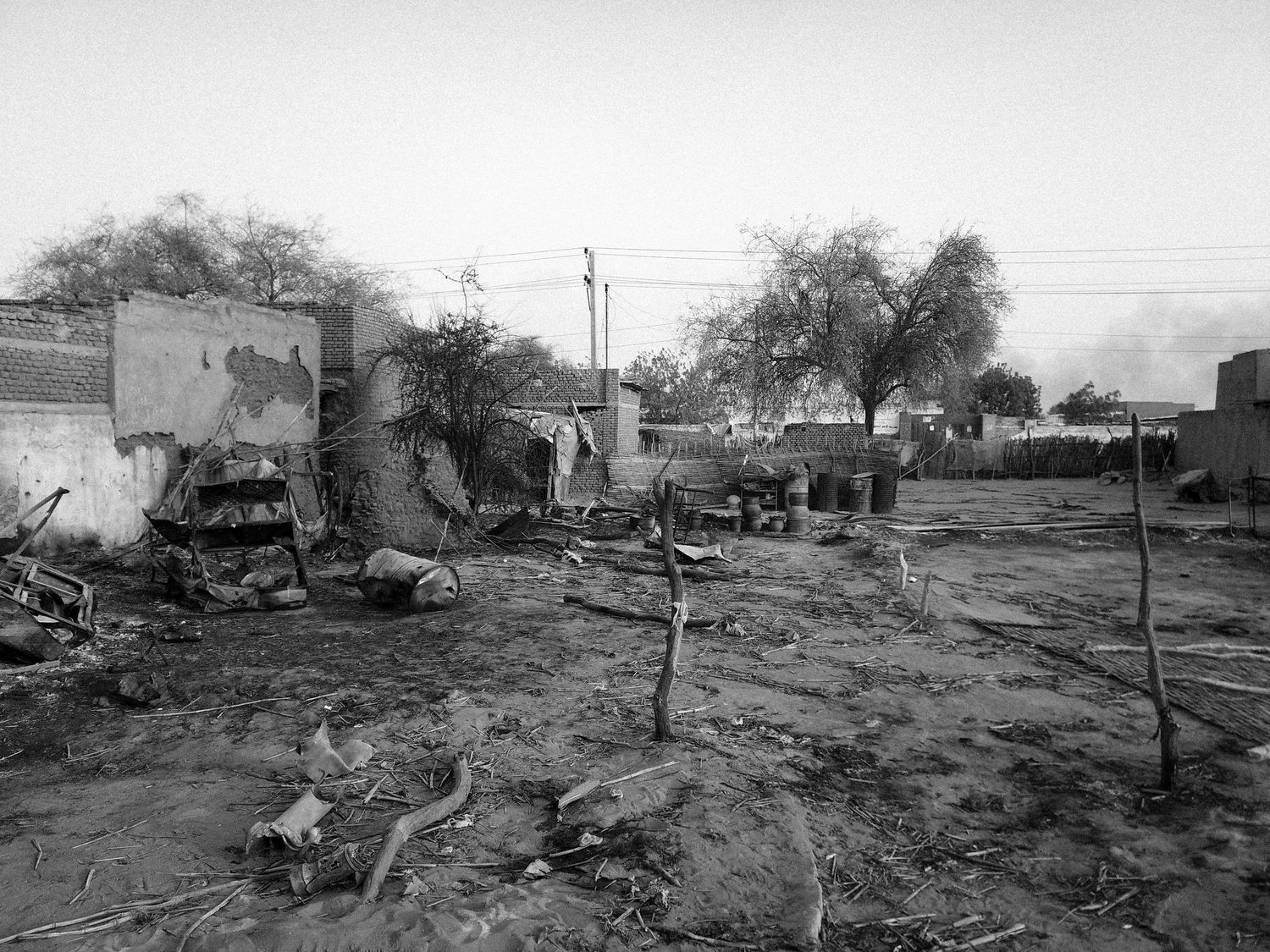
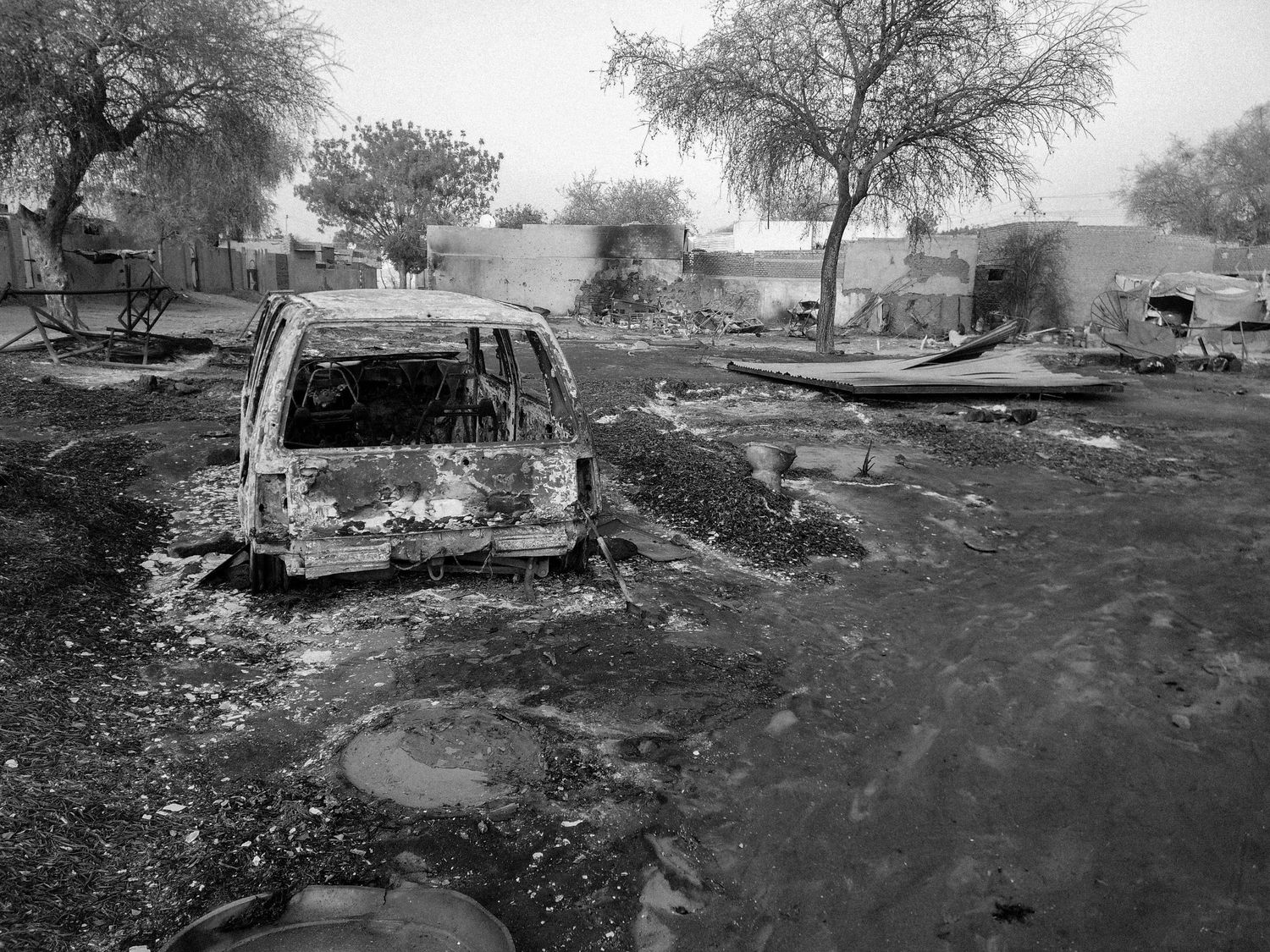
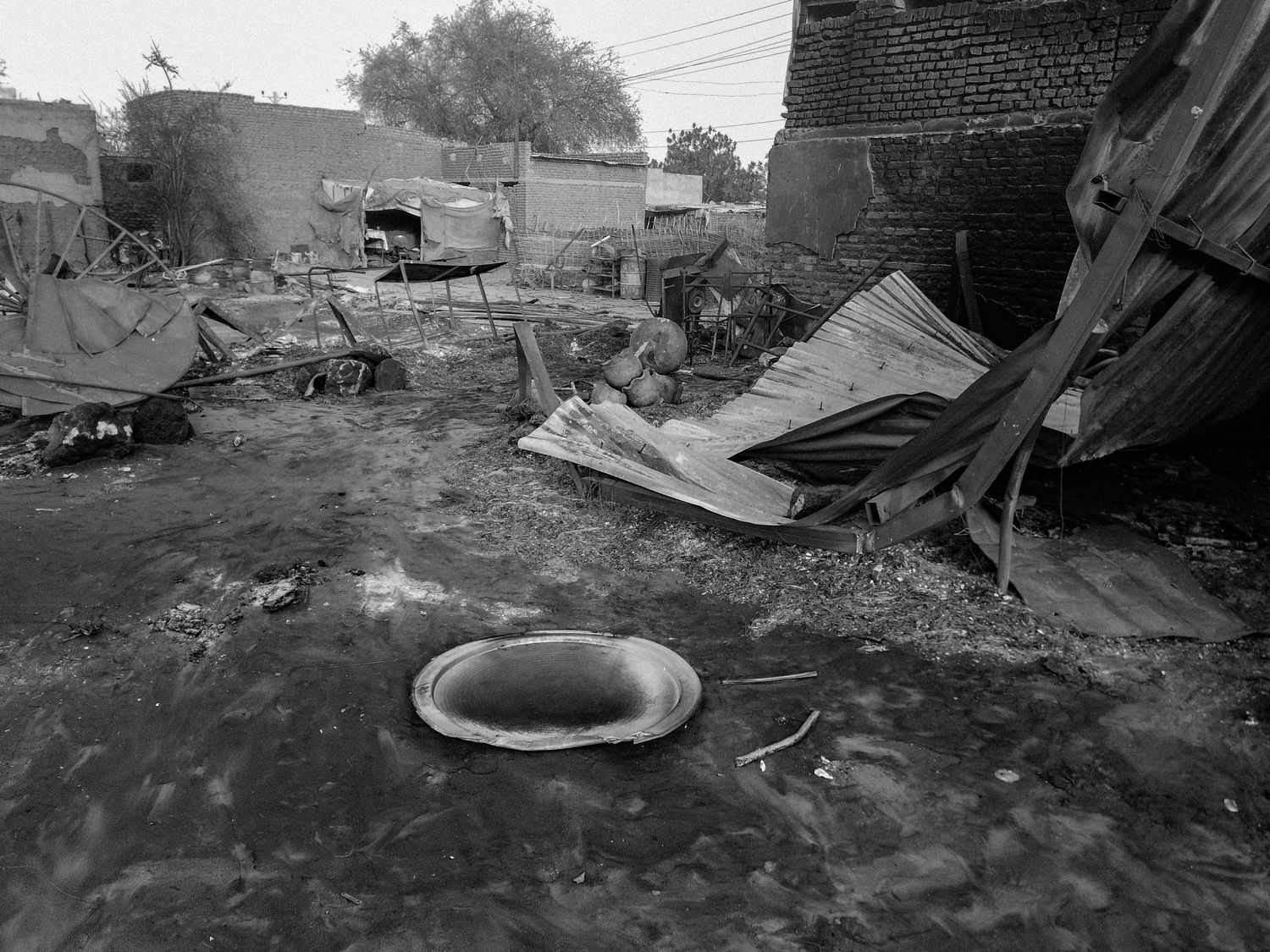
"There is guilt attached to being a war photographer. But if I didn’t photograph these things, people like me, people with cameras, who would know?”
— McCullin in interviews
Losing Home ... My Early Displacement ...
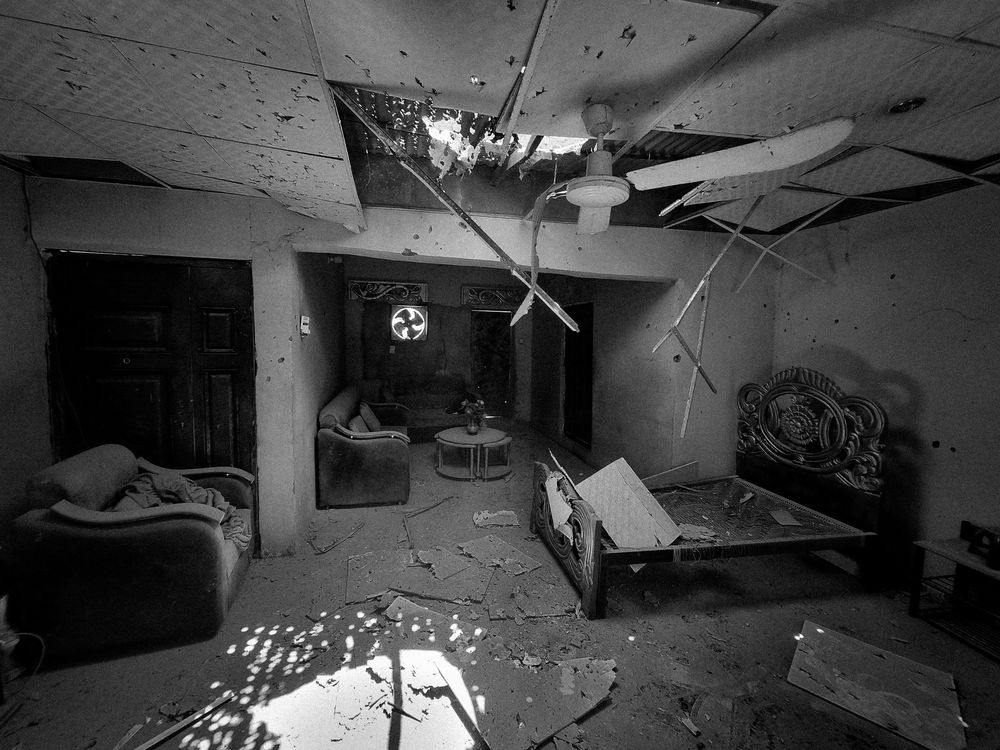
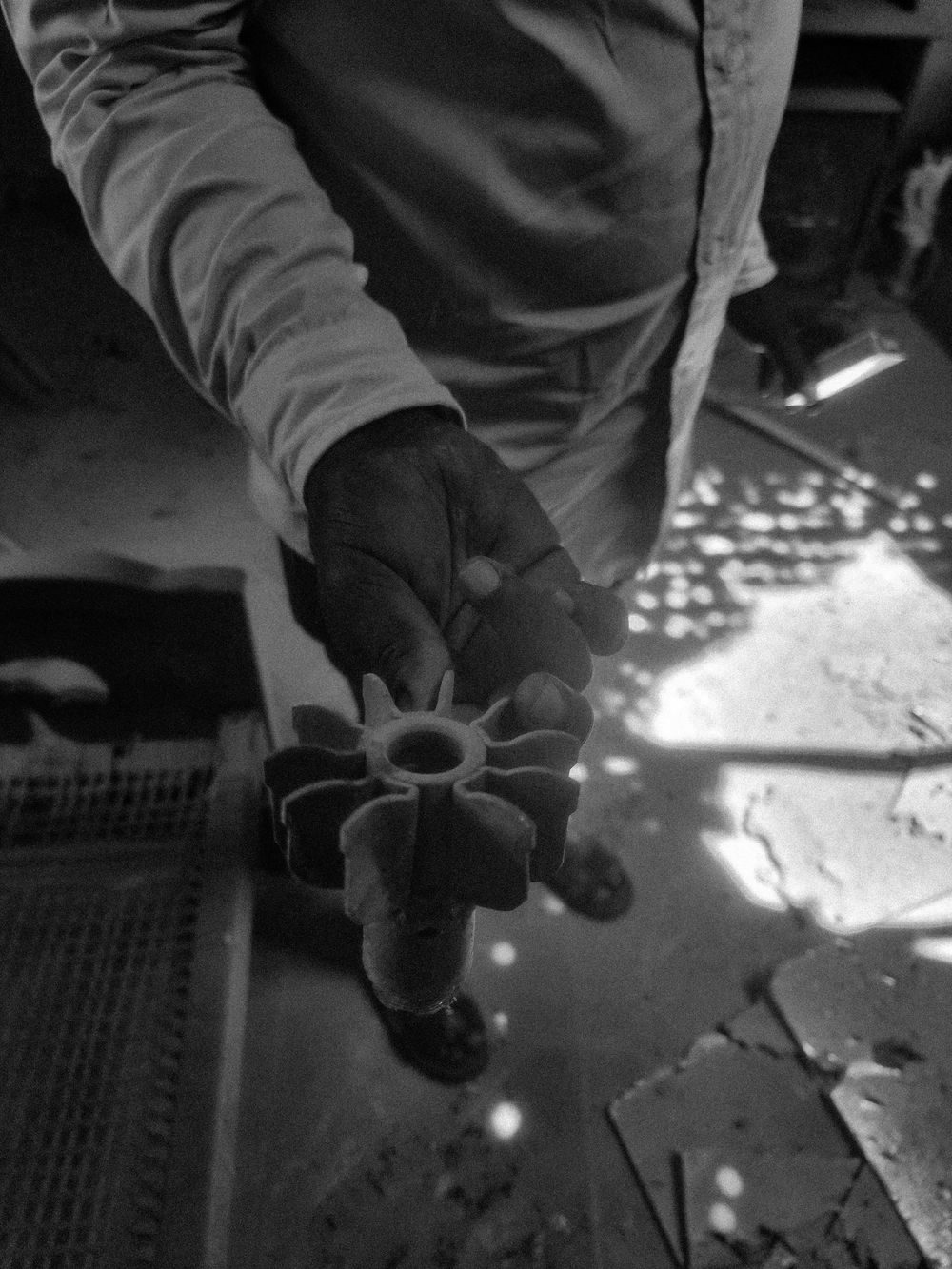
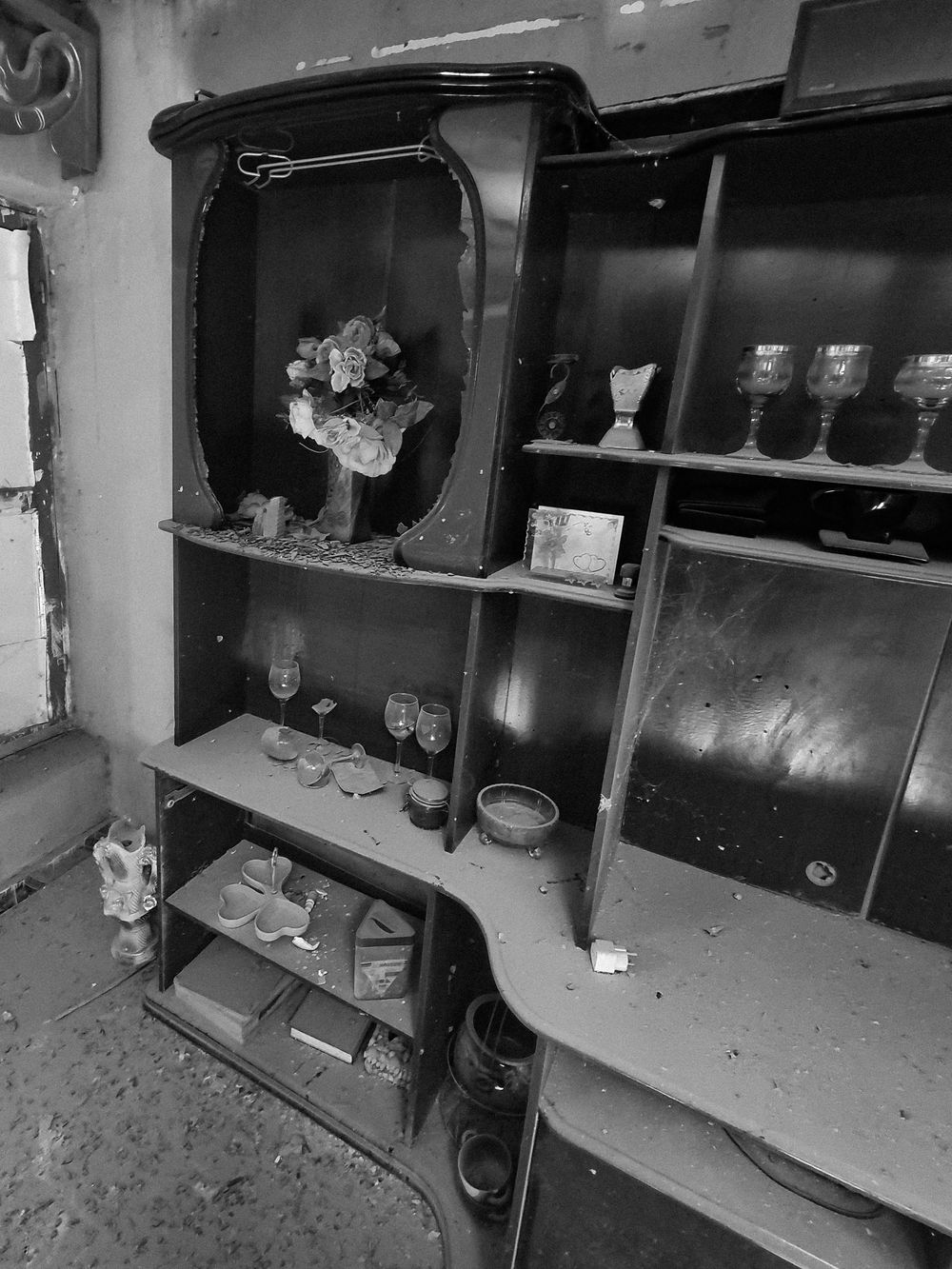
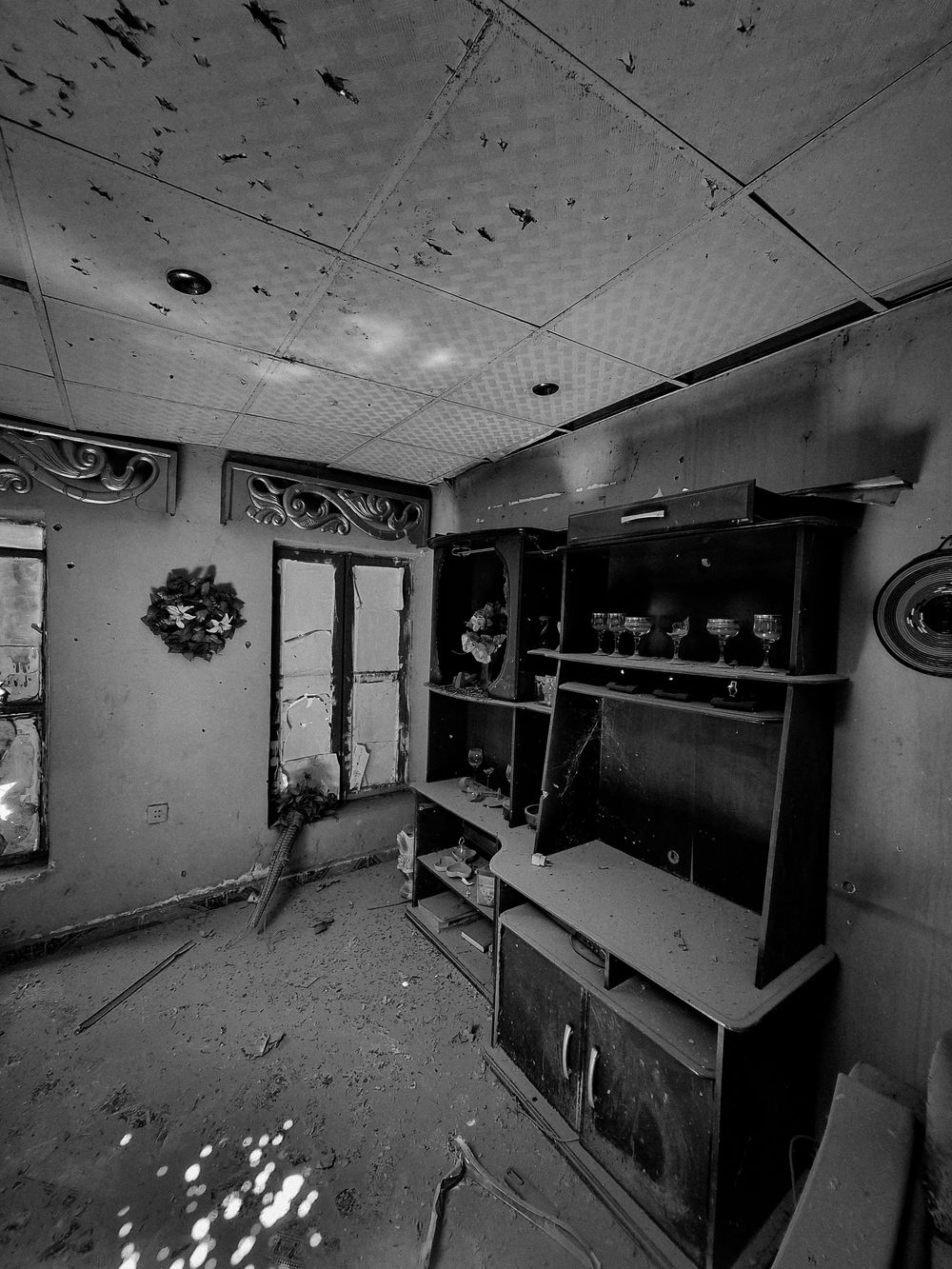
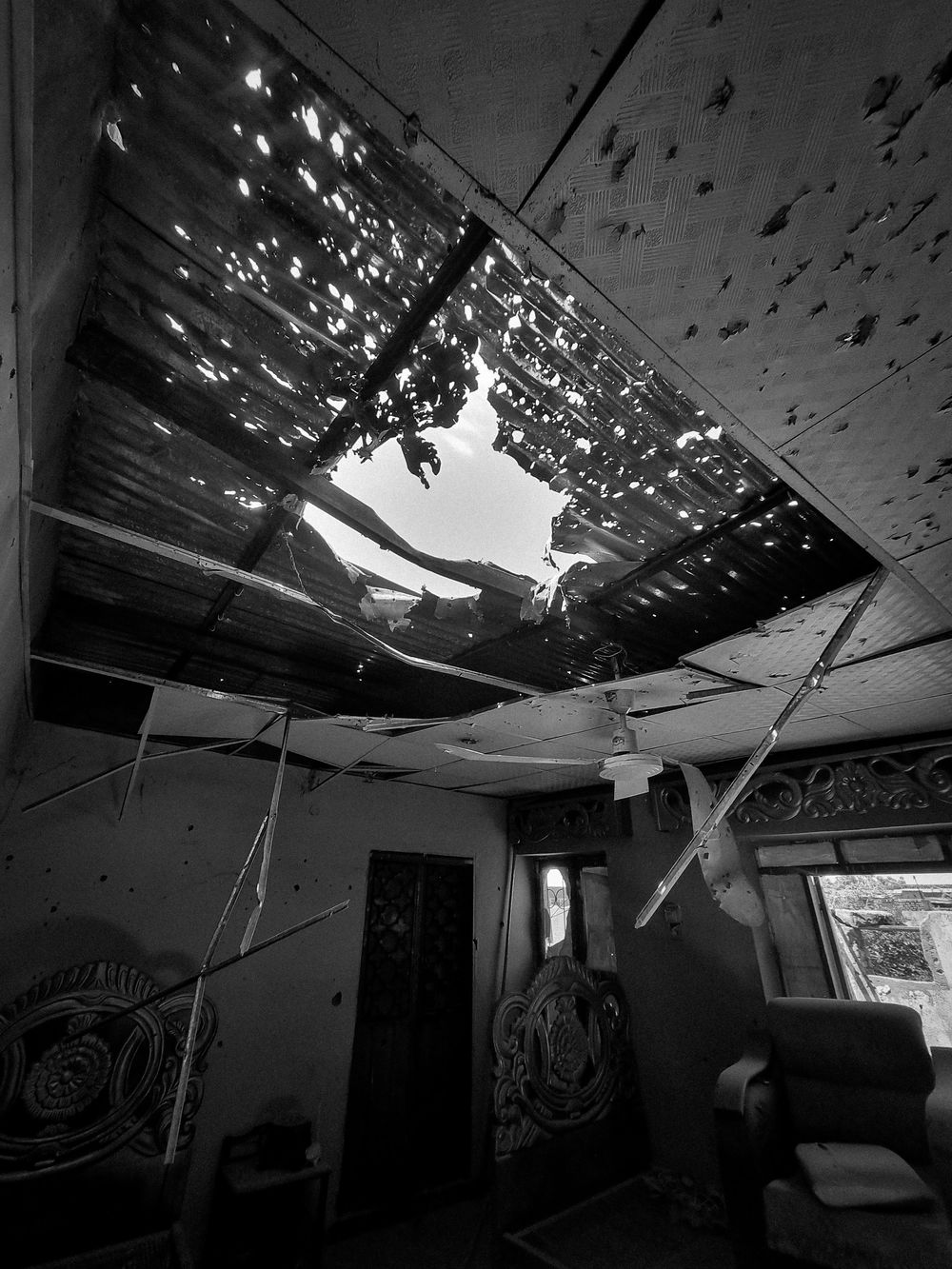
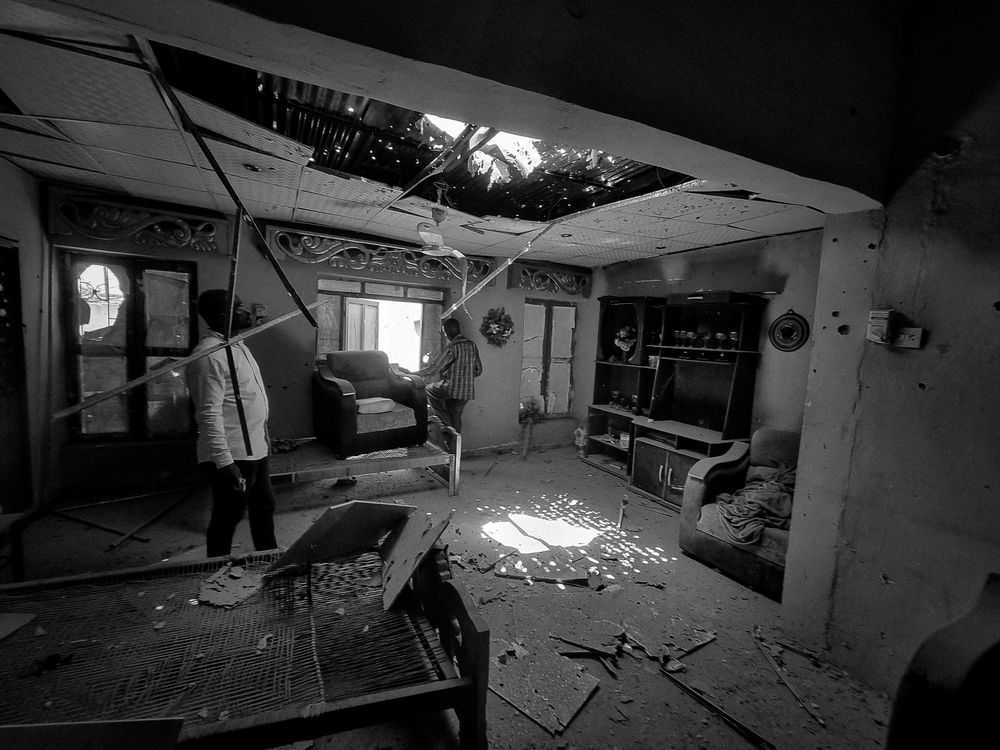
Losing my home was the first wound of the war.
Even before crossing a border, I carried the weight of exile inside me.
The streets I knew by heart turned into places I no longer belonged to.”
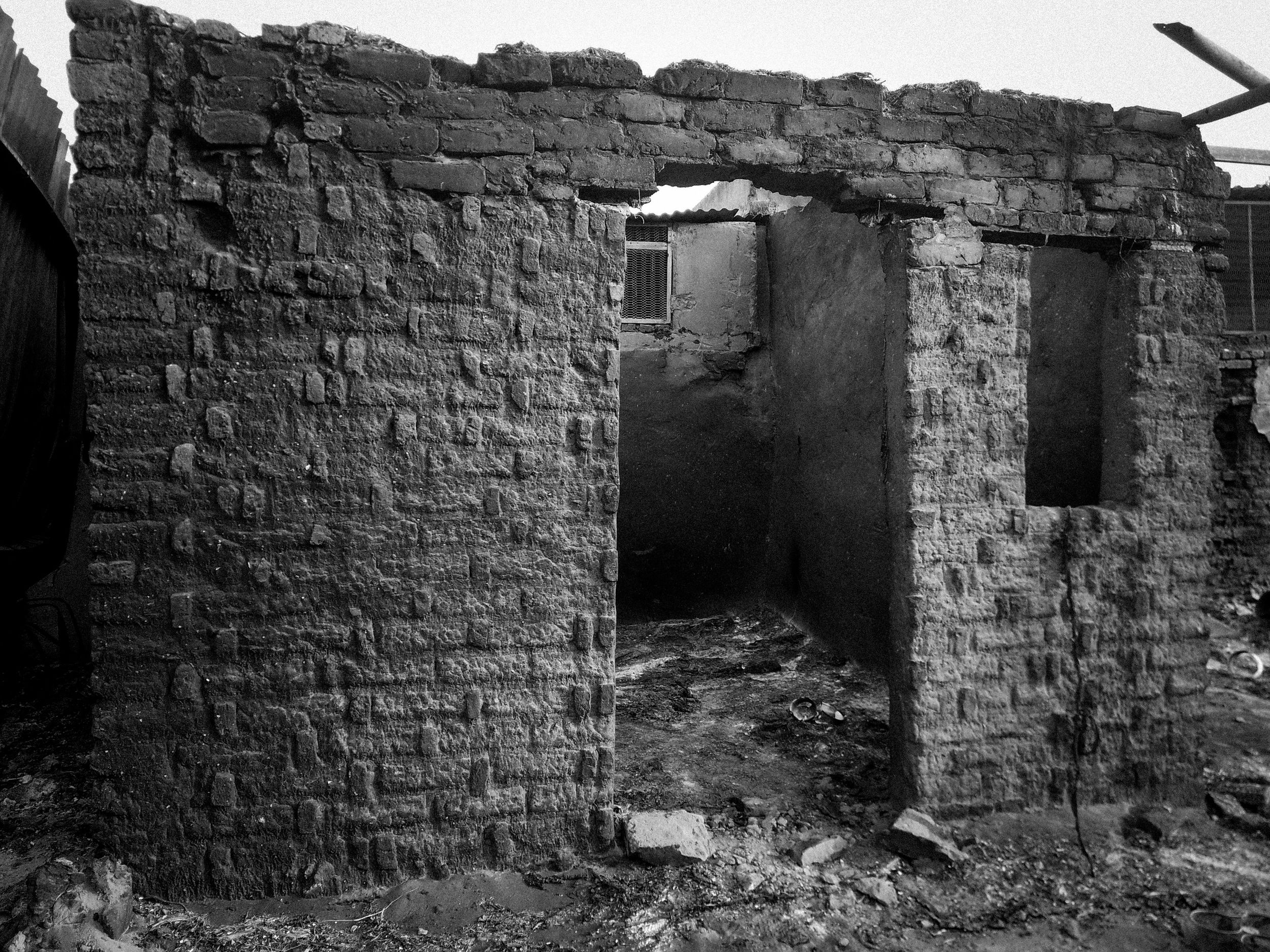
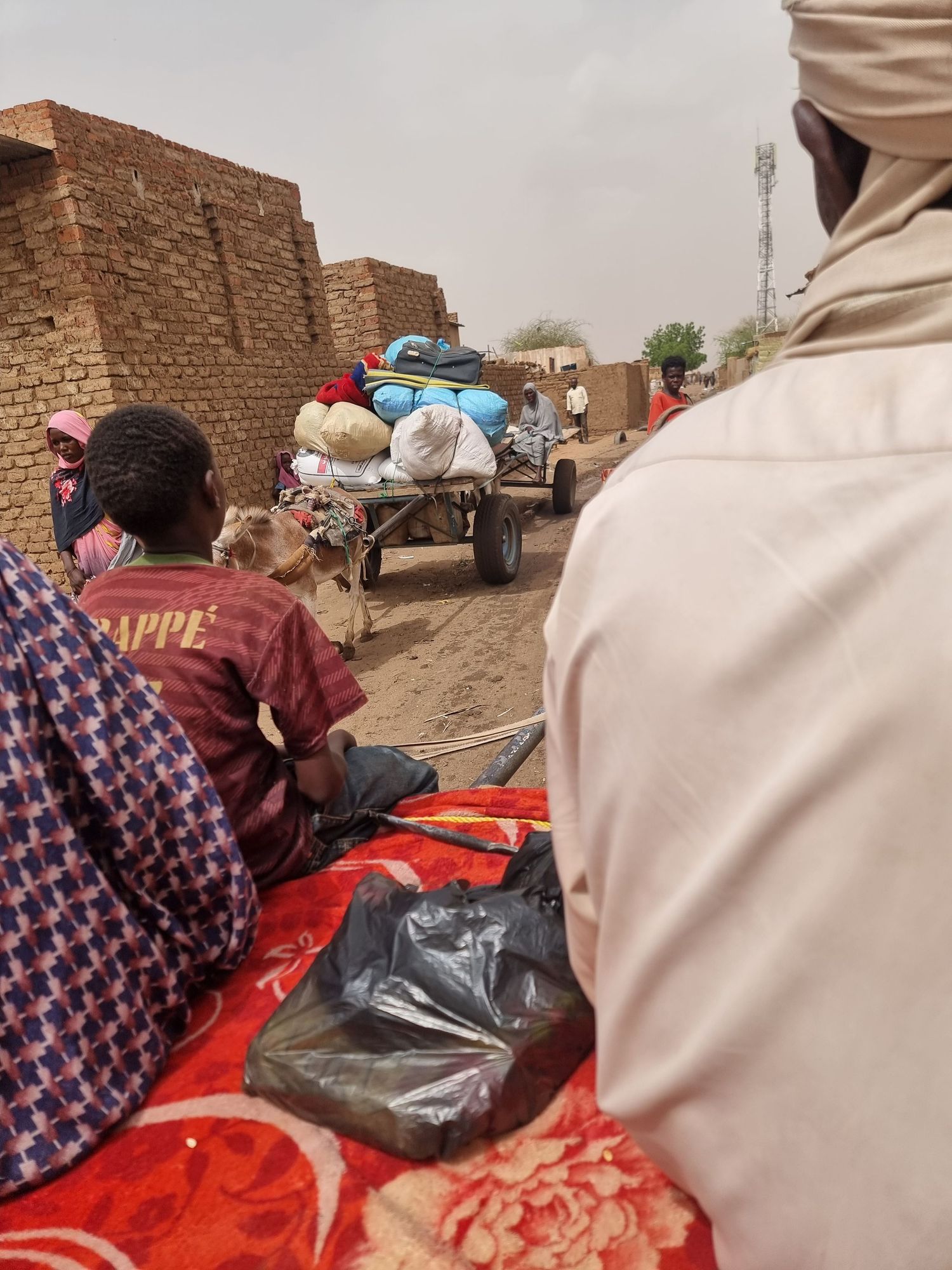
Moved to the another part of the city ...
I moved to another part of the city, but it no longer felt like home. Exile had already begun, even within my own streets.
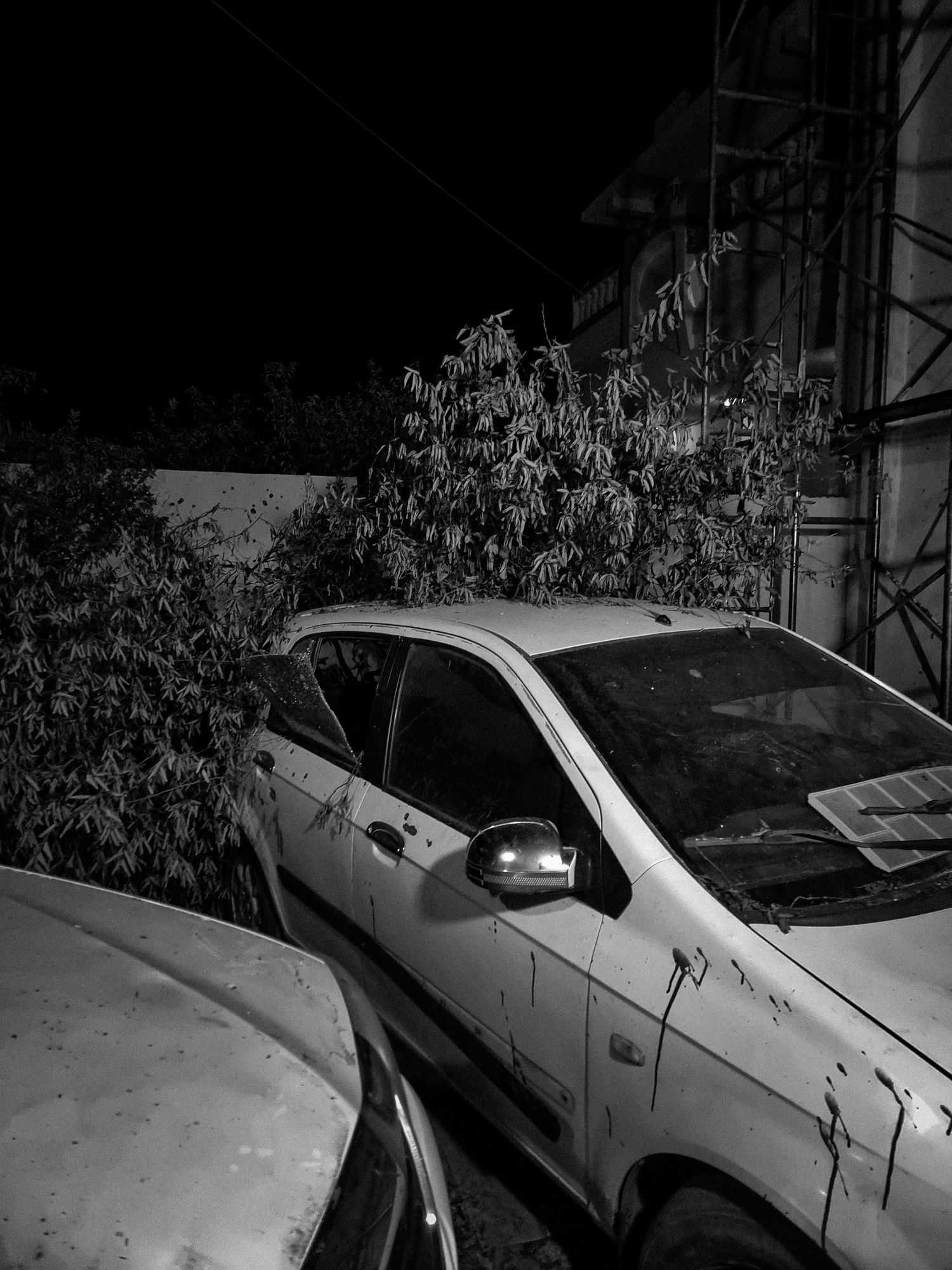
There are no Safe place inside Elfasher ...
Even the house we thought would shelter us was bombed. It was my aunt’s home in the center of the city.
That day, four of our neighbors were killed. My brother and I were both injured, along with more than ten others.
I remember the walls collapsing, the chaos, the silence that followed.
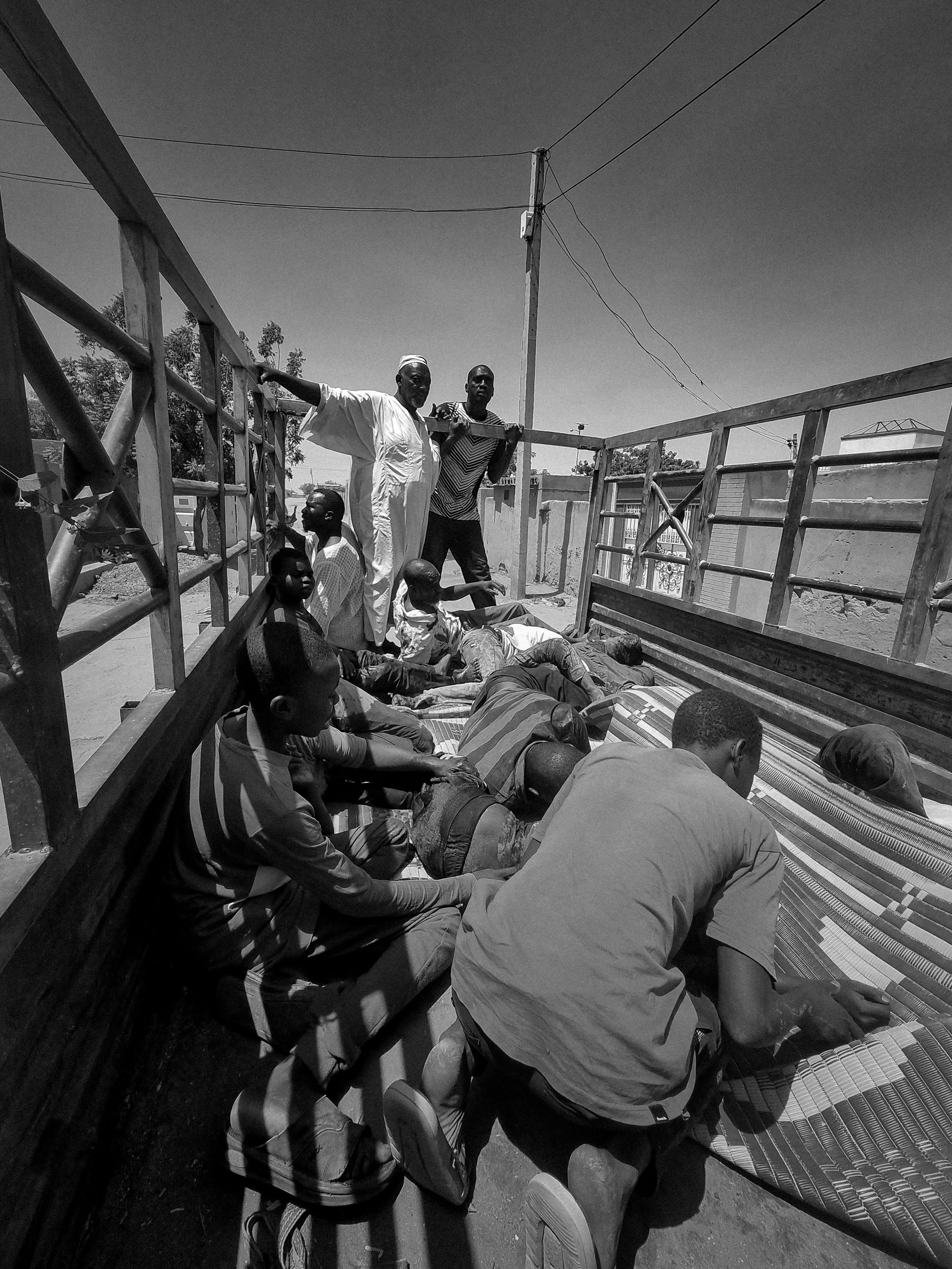
Between Death and Life ...
I don’t know how I managed to take this photograph. I was covered in blood and slipping in and out of consciousness after being wounded. What I remember is that I had been carrying one of the injured after the first shell landed—then it seems the second one struck, hitting me and many others.
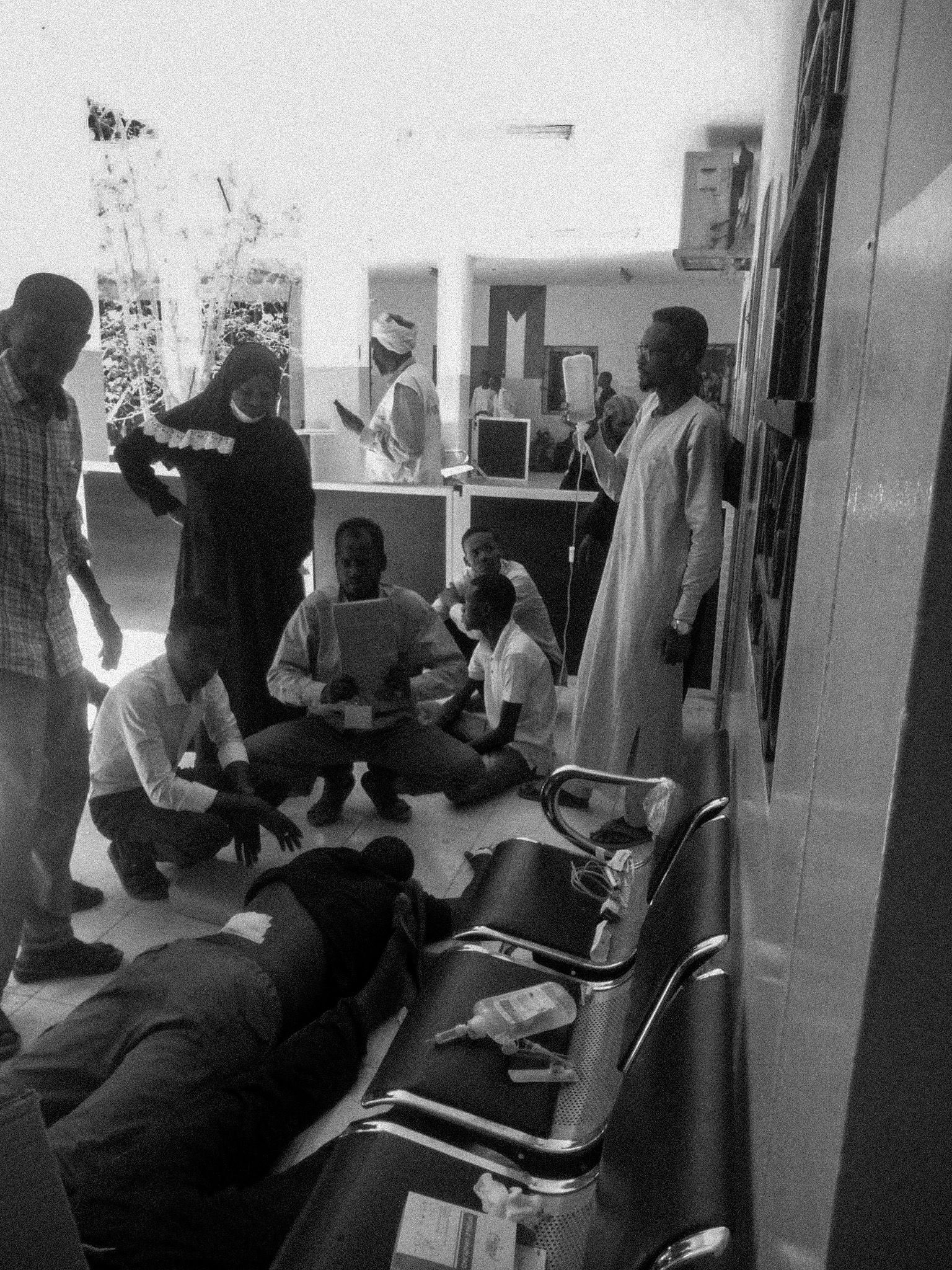
here was no bed available then... just a spot on the floor between cracked walls, where pain had no place except in our silence. My friends stood around me like a final shield—as if they feared that if they stepped away, I might vanish like so many before me. In their eyes, fear battled exhaustion, yet they stayed. Here, where all systems had collapsed, one thing remained unbroken: the bread shared between mouths, the tears left unshed, and the hand that never lets go—even in the face of death
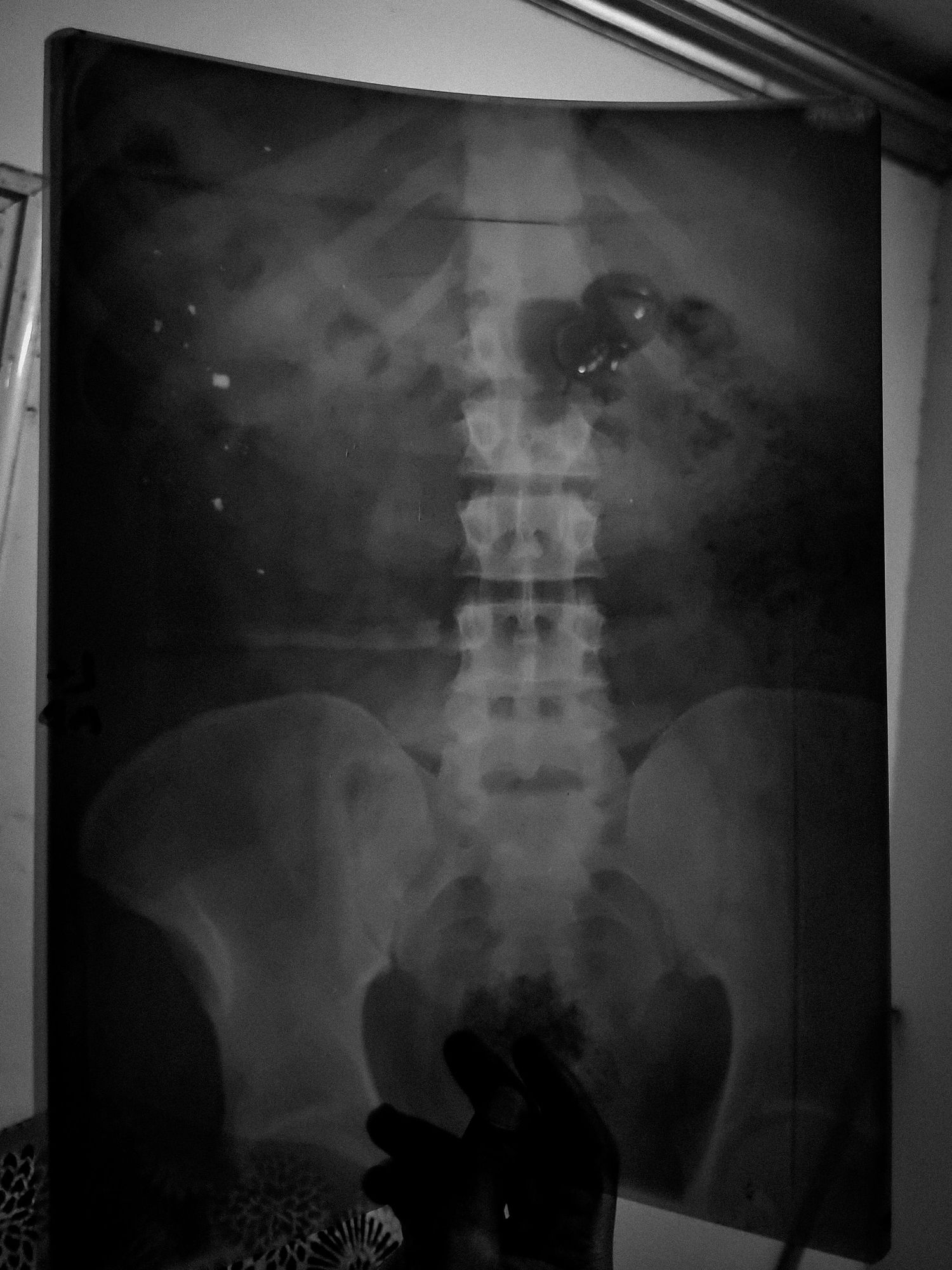
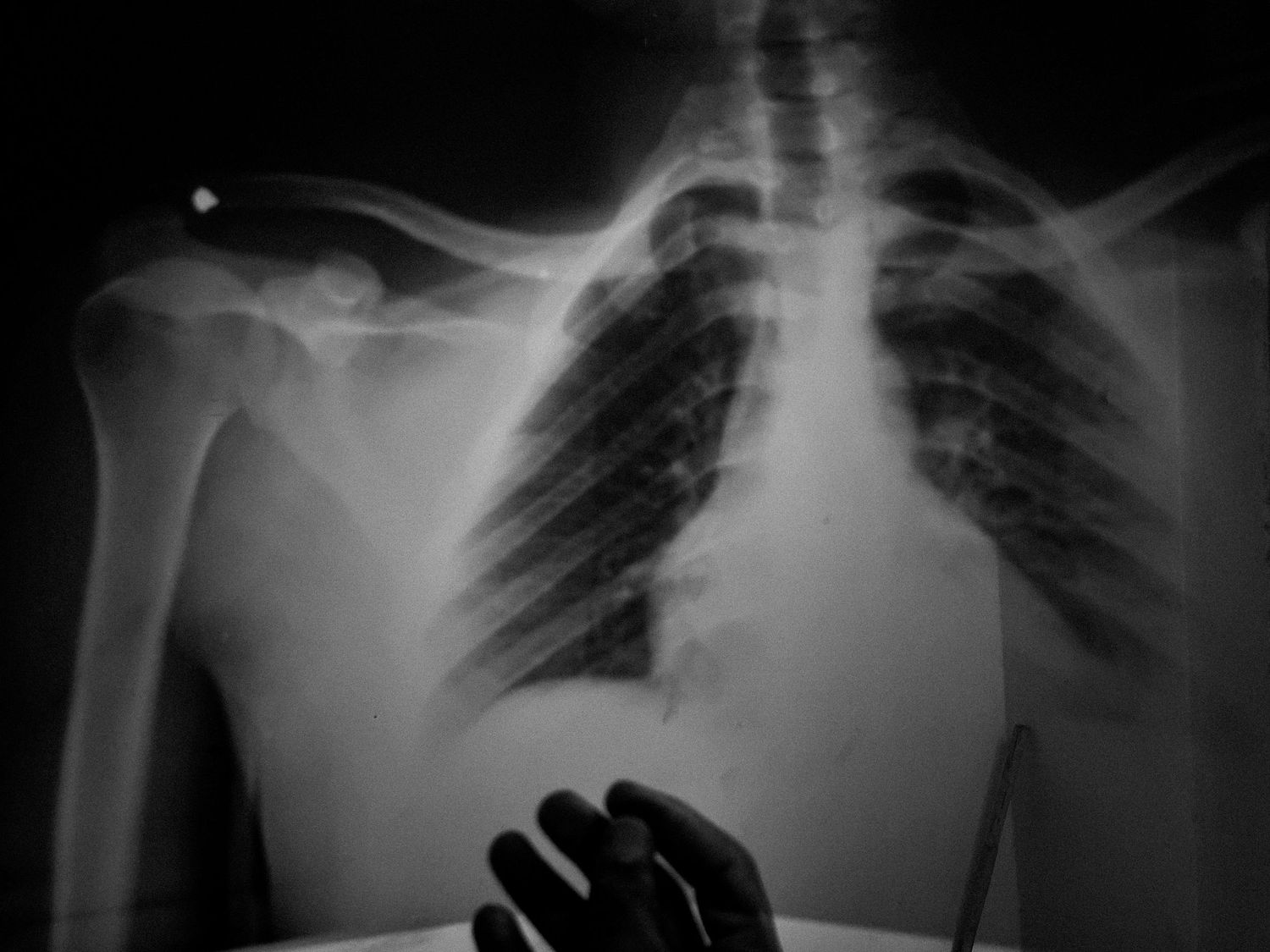
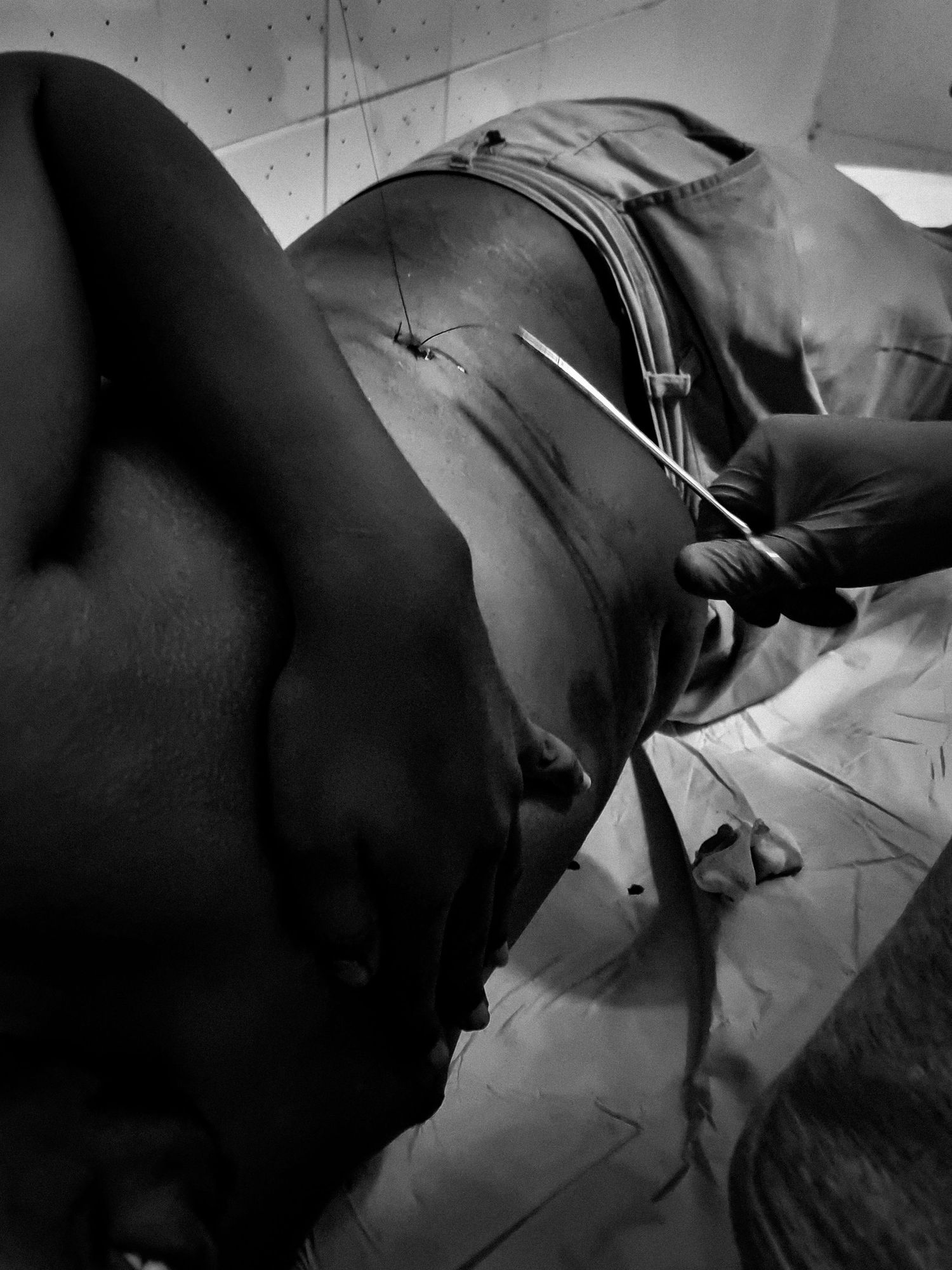
It was an extremely difficult time, but I was fortunate to receive medical care, even if it was only first aid. In the midst of chaos, that basic care felt like a lifeline - a reminder that humanity persists even in the darkest hours
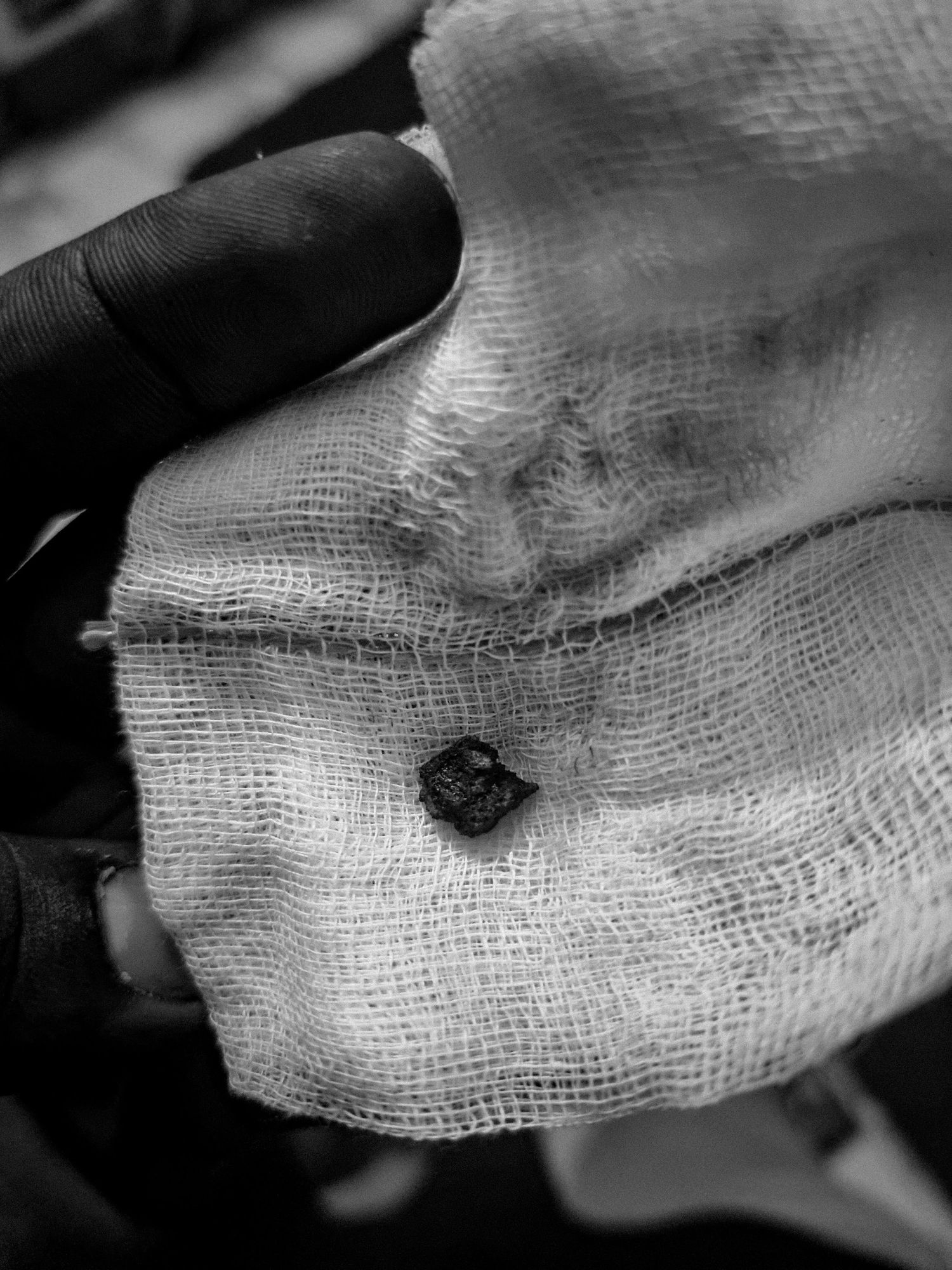
The doctor wiped my blood and said: 'There are 16 shrapnel pieces in your body.. I removed seven, the rest we'll leave to time.' In that moment, I understood: war doesn't end when you leave the battlefield. Some of it stays lodged in your flesh, a daily reminder that survival isn't the end of the battle - just a new kind of fight, where you learn to live with a body that's become an archive of bullets
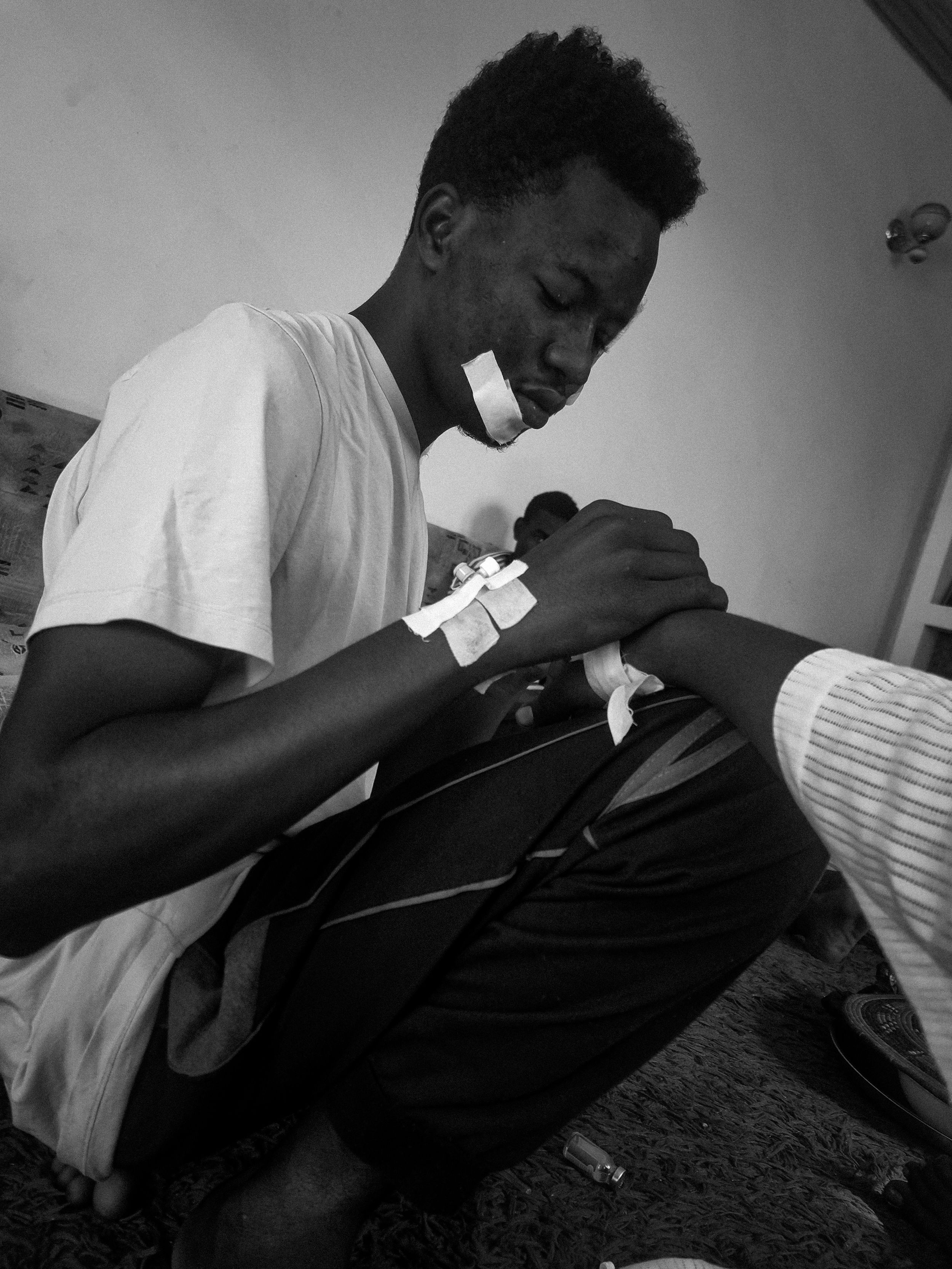
My injured hand trembles, while his small hands try to hold the medicine steady. My younger brother, who lost his right eye to the same shrapnel that pierced my body, hasn't yet learned to measure distances well with his remaining eye. But he has learned how to hold onto life despite the pain. As he helped me with that innocence known only to those who've been through war's hell, I realized our wounds didn't steal our humanity - they made it stronger and more resilient
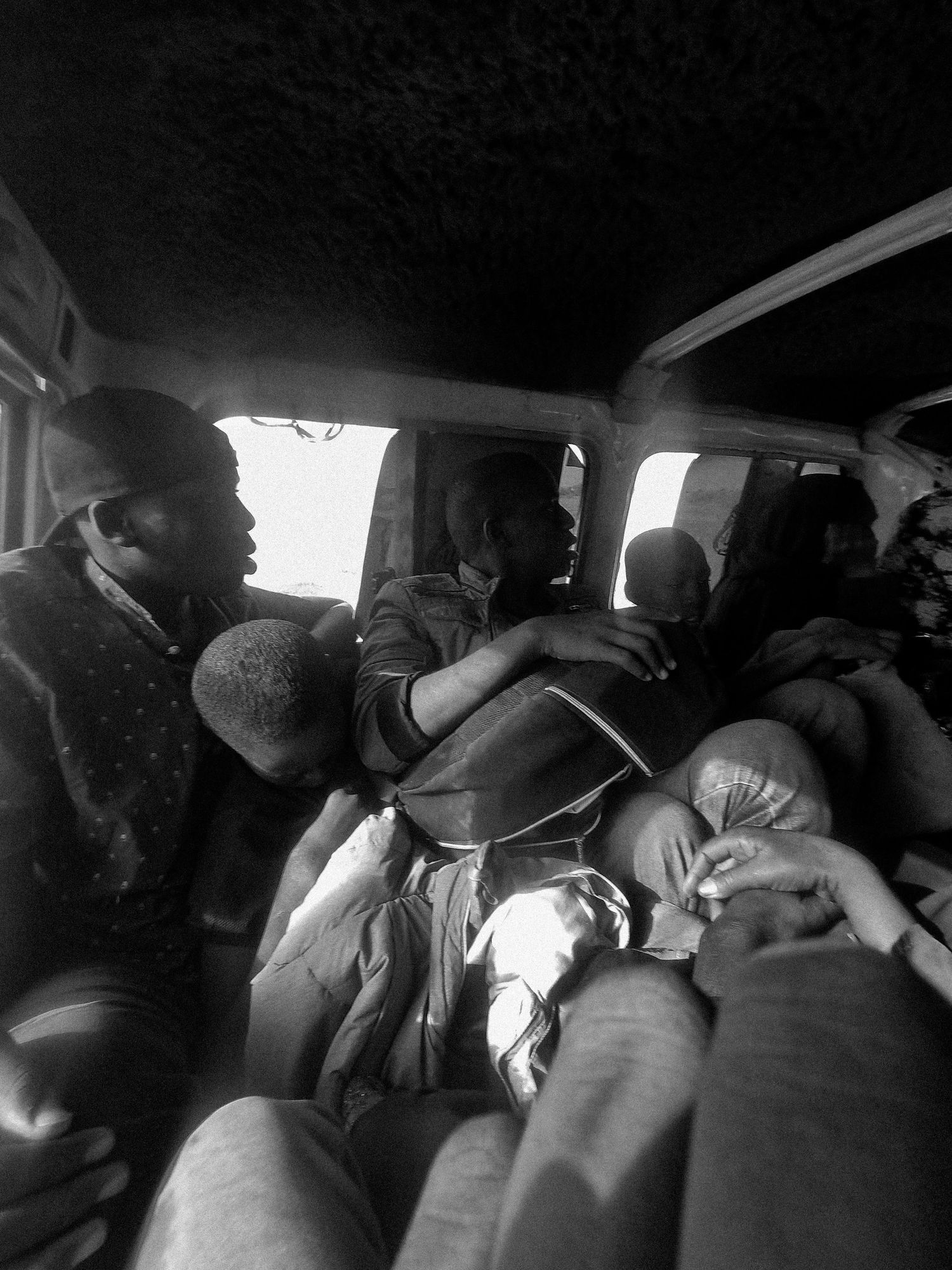
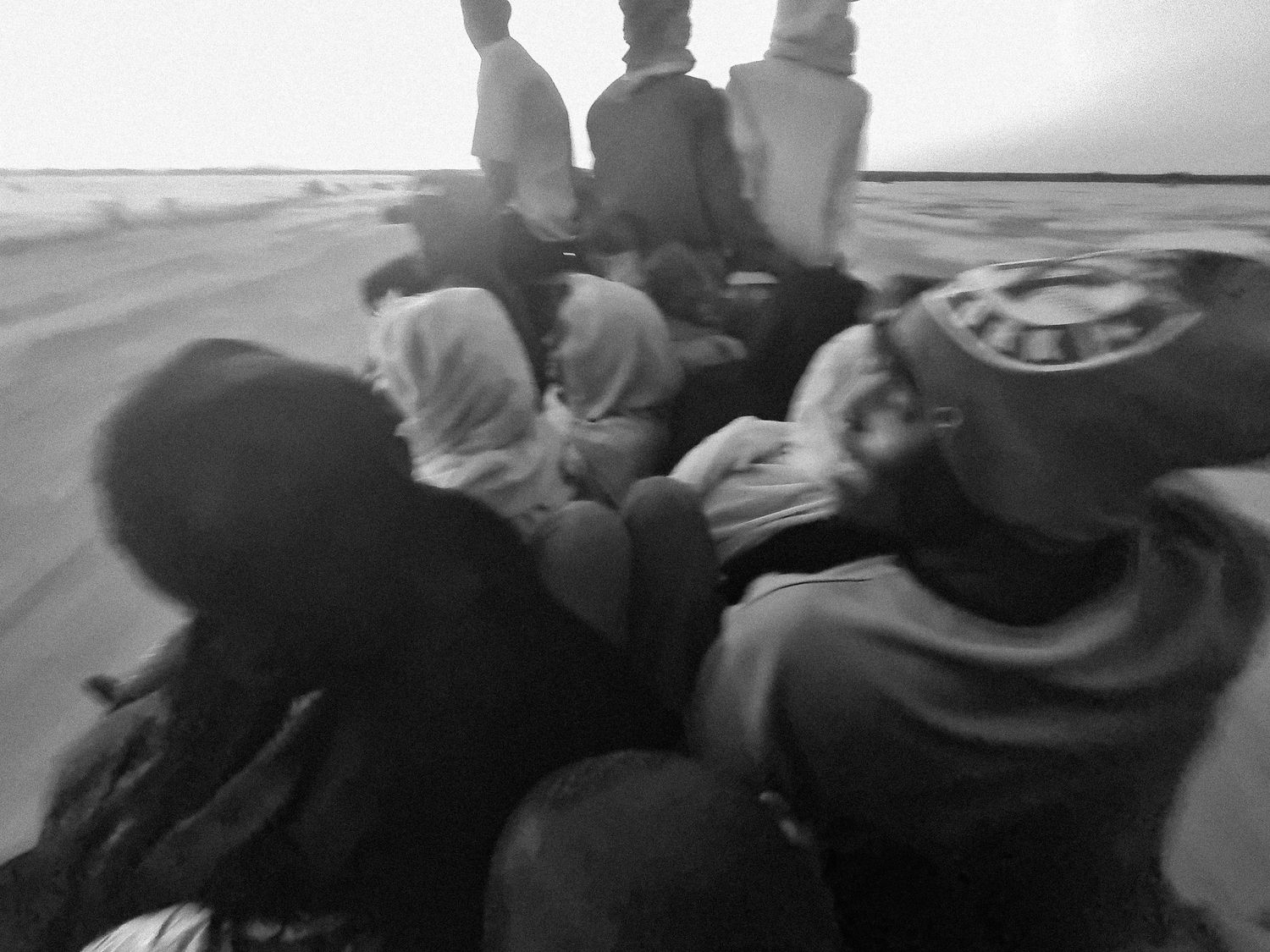
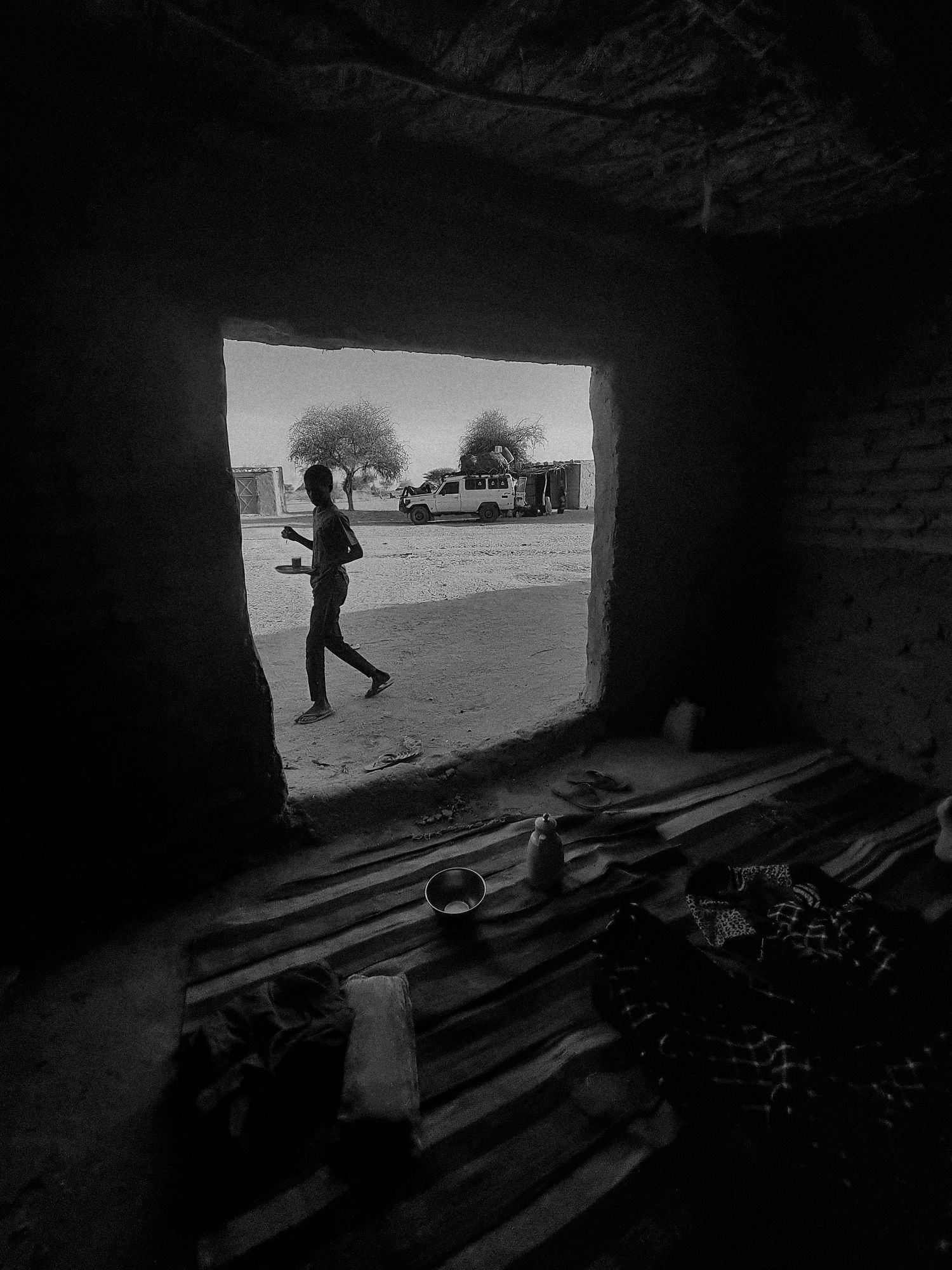
I carried my mother.. my brothers
to Chad..
And returned..
searching for my fragments in our ruins
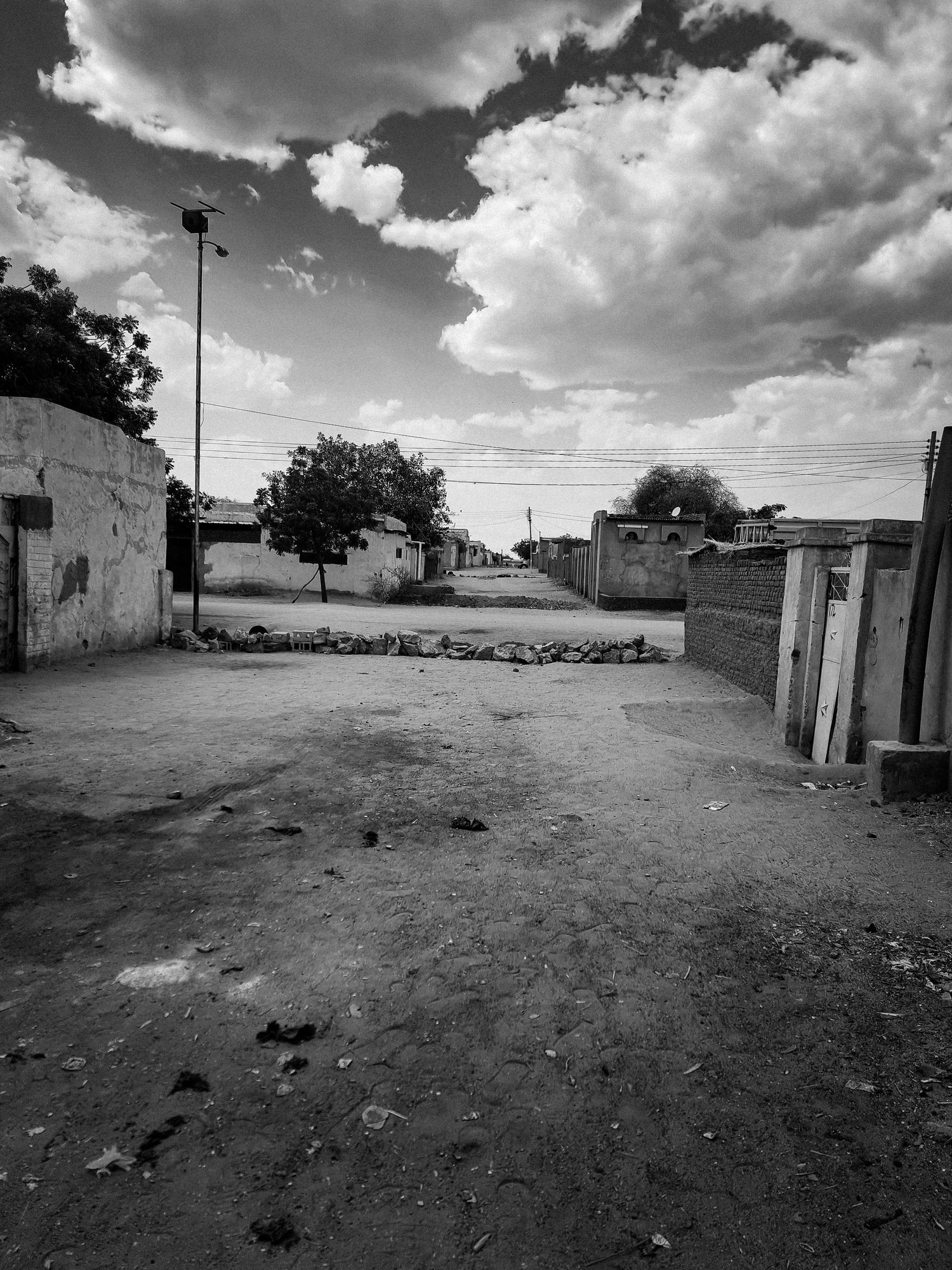
Habituation is not acceptance..
It is the body's surrender
While the mind dreams Of a morning that doesn't begin with a shell's whistle
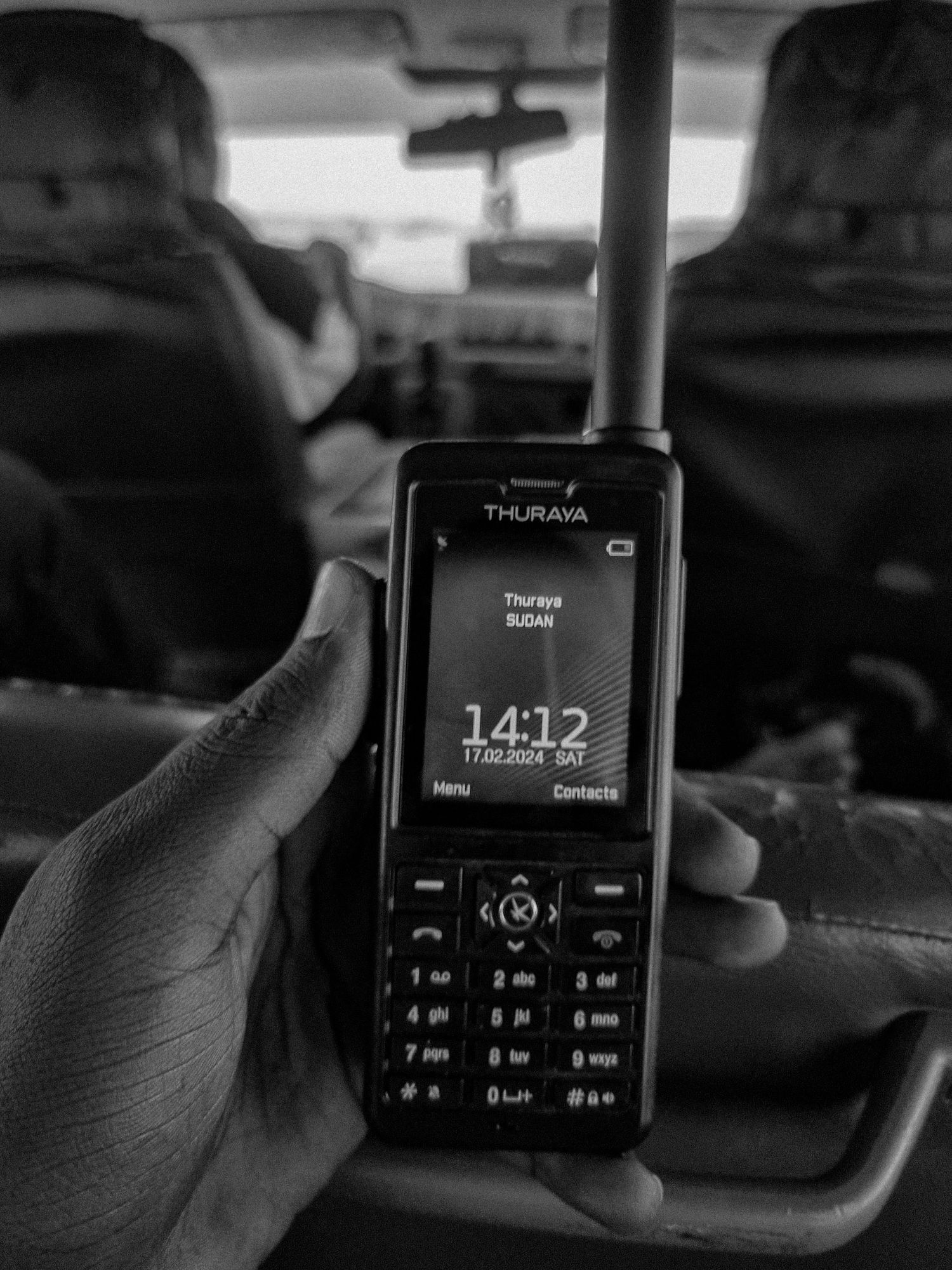
We no longer send messages...
Instead, we send prayers
Through the airwaves of explosions
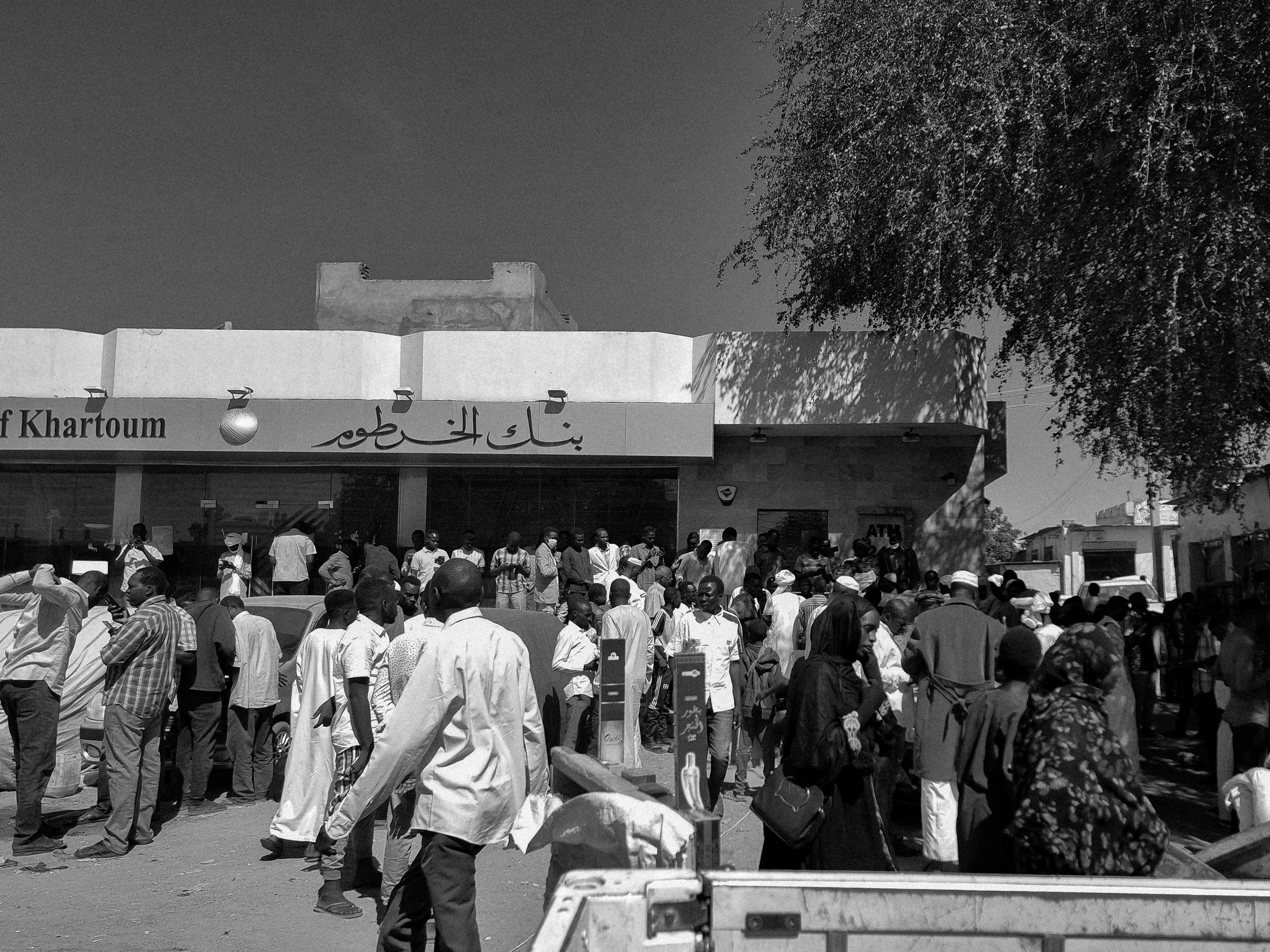
Hundreds of El Fasher residents gathered around the city's only Starlink site after months of network disruption. The scene resembled queues for water and food, but this time phones were the buckets. People raised their devices towards the sky as if voting for survival. One message everyone tried to send: 'We are still here.' Some received their first voice call in 5 months, while others failed due to congestion. Technology considered a luxury elsewhere became a matter of life or death in El Fasher
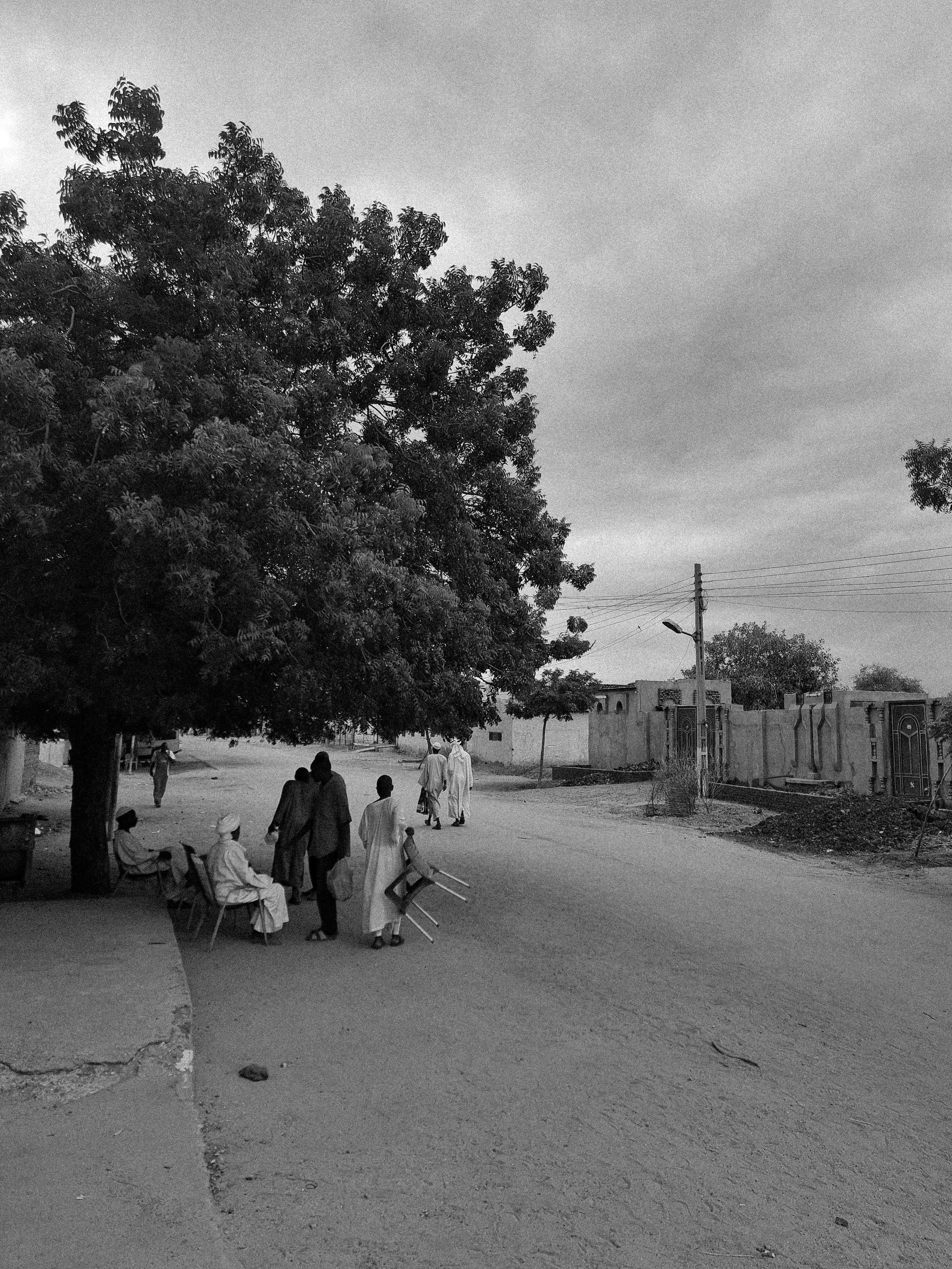
The connection was cut off, and we discovered that the strongest network is the one between the hearts of those who are trapped, filled with goodbye signals
,,,
The Seige
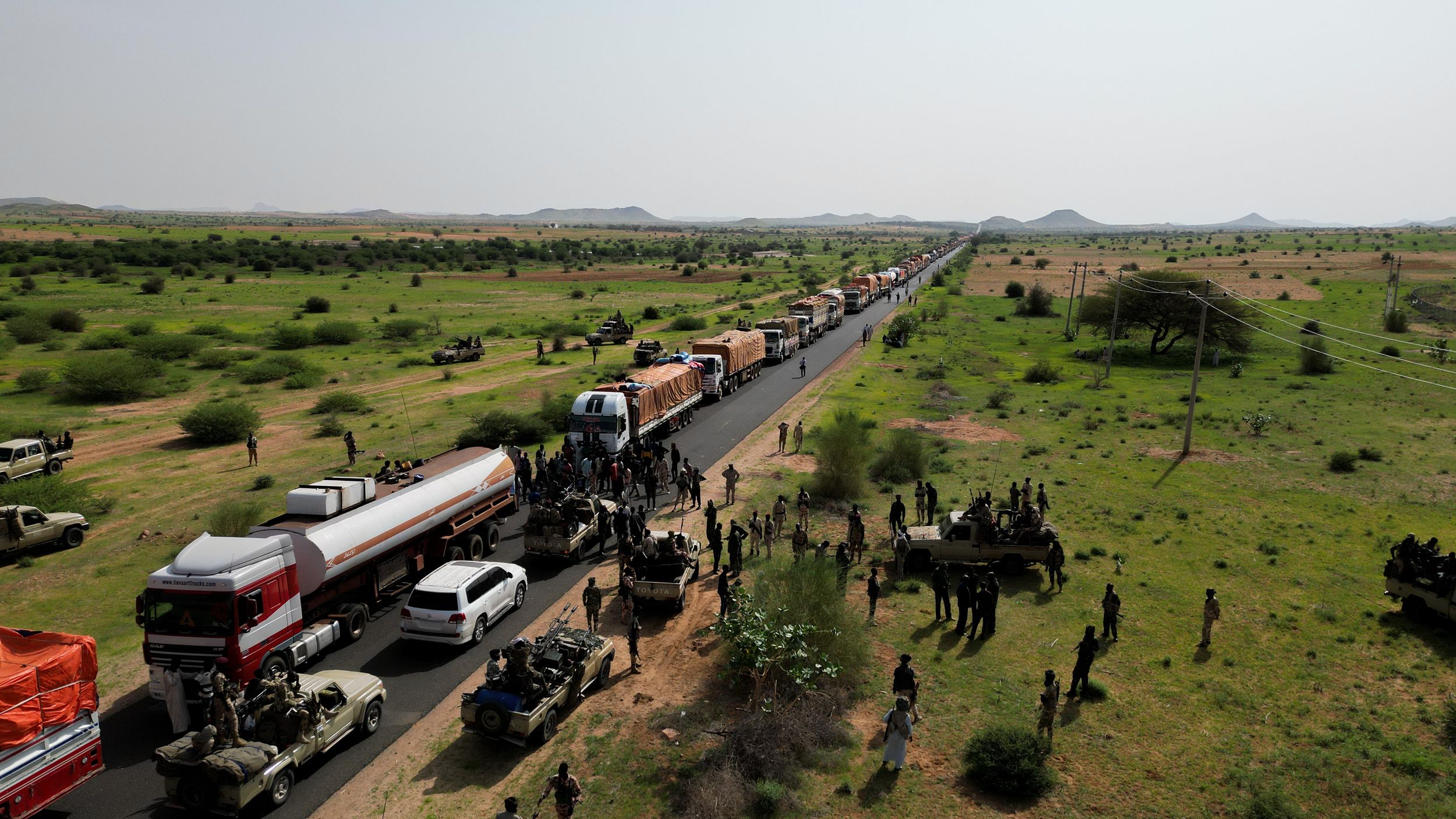
Under the guns...
The last bag of flour went in...
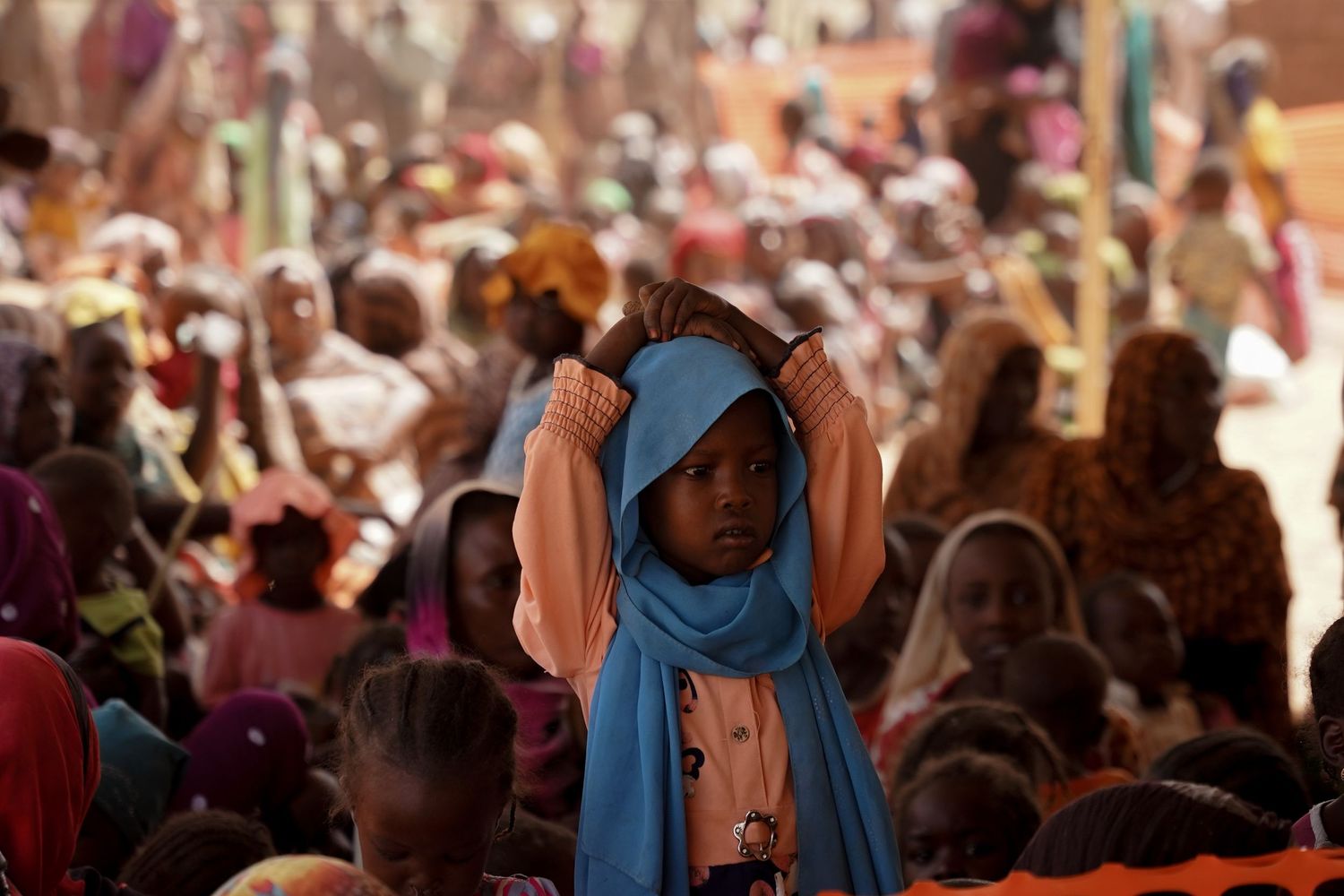
At Zamzam Camp..
The child hides her head between her hands
Not out of fear of shells,
But out of fear of losing her loaf of bread
In the long queue of hunger
She learns the geometry of survival
Through lessons never taught in the world's schools
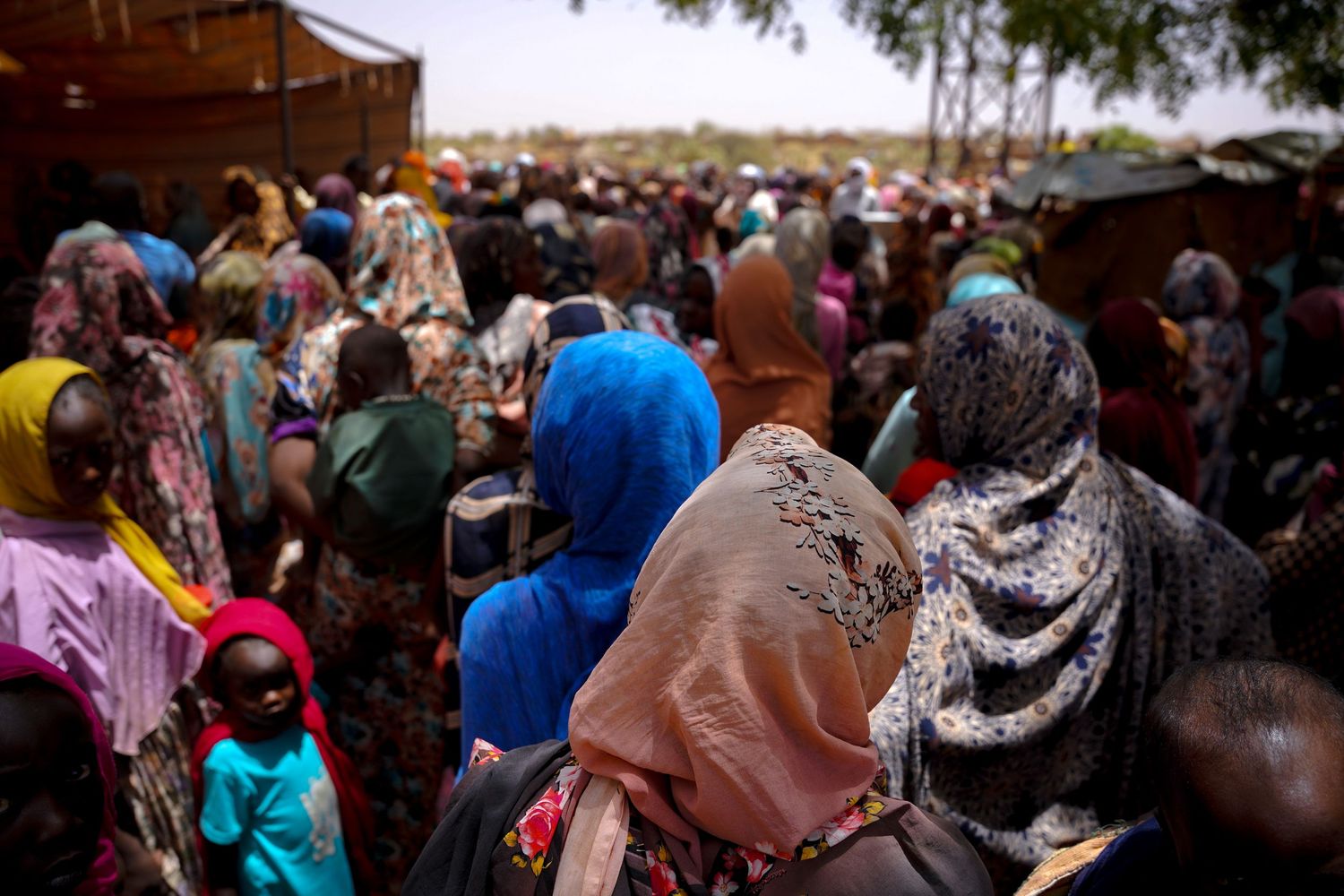
I have always admired my mother and her strength, her defiance of life's hardships.
During this war, I learned that the Darfuri woman is a woman of iron:
Born in war, lived under its shadow,
Grew up, gave birth, and faced long wars not just for her own survival,
But to ensure the survival of her children.
She does not know surrender; her strength lies not only in her body,
But in her will that turns despair into hope,
and Fear into courage,

Shells fall..
They do not ask: Are you a mosque where believers pray,
A hospital that embraces surgeries,
Or a home that holds memories?
Amidst this storm,
Stands a mother..
Not out of fear for herself,
But out of fear for her child who is starving.
She has a story that broadcasts do not tell:
She is trying to save her son
Not from bullets,
But from hunger
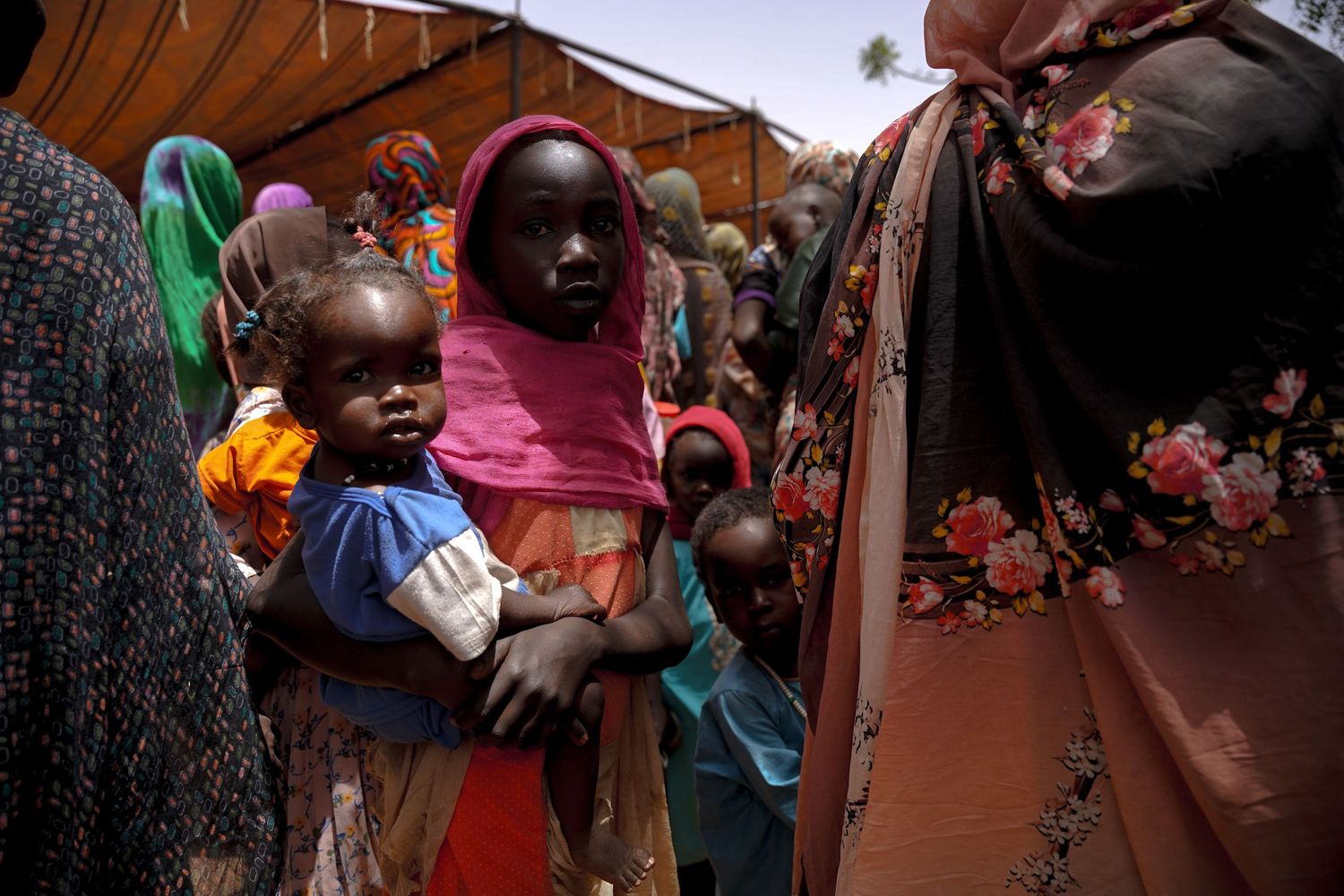
“Here, a child dies every two hours.”
- Doctors Without Borders
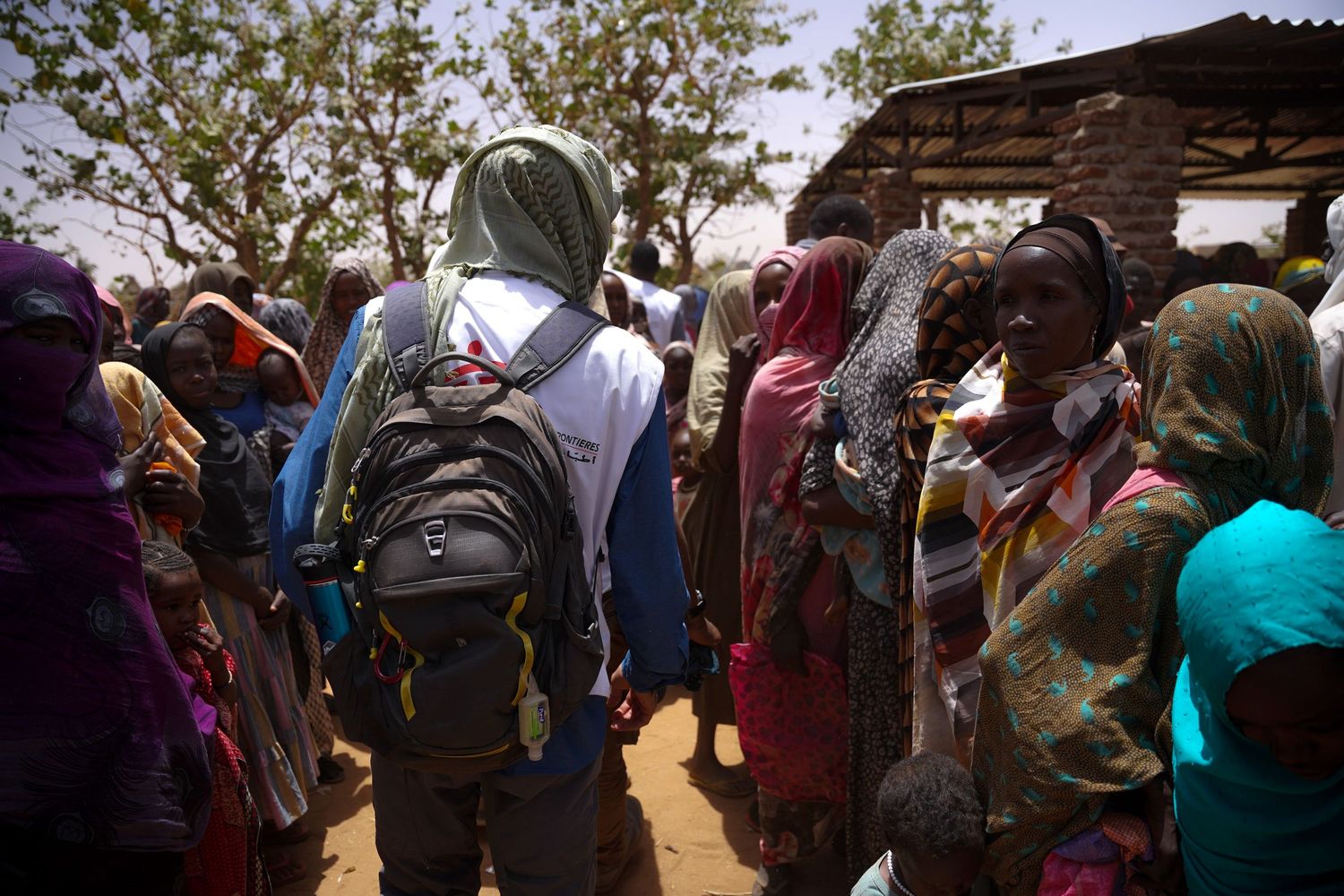
.........
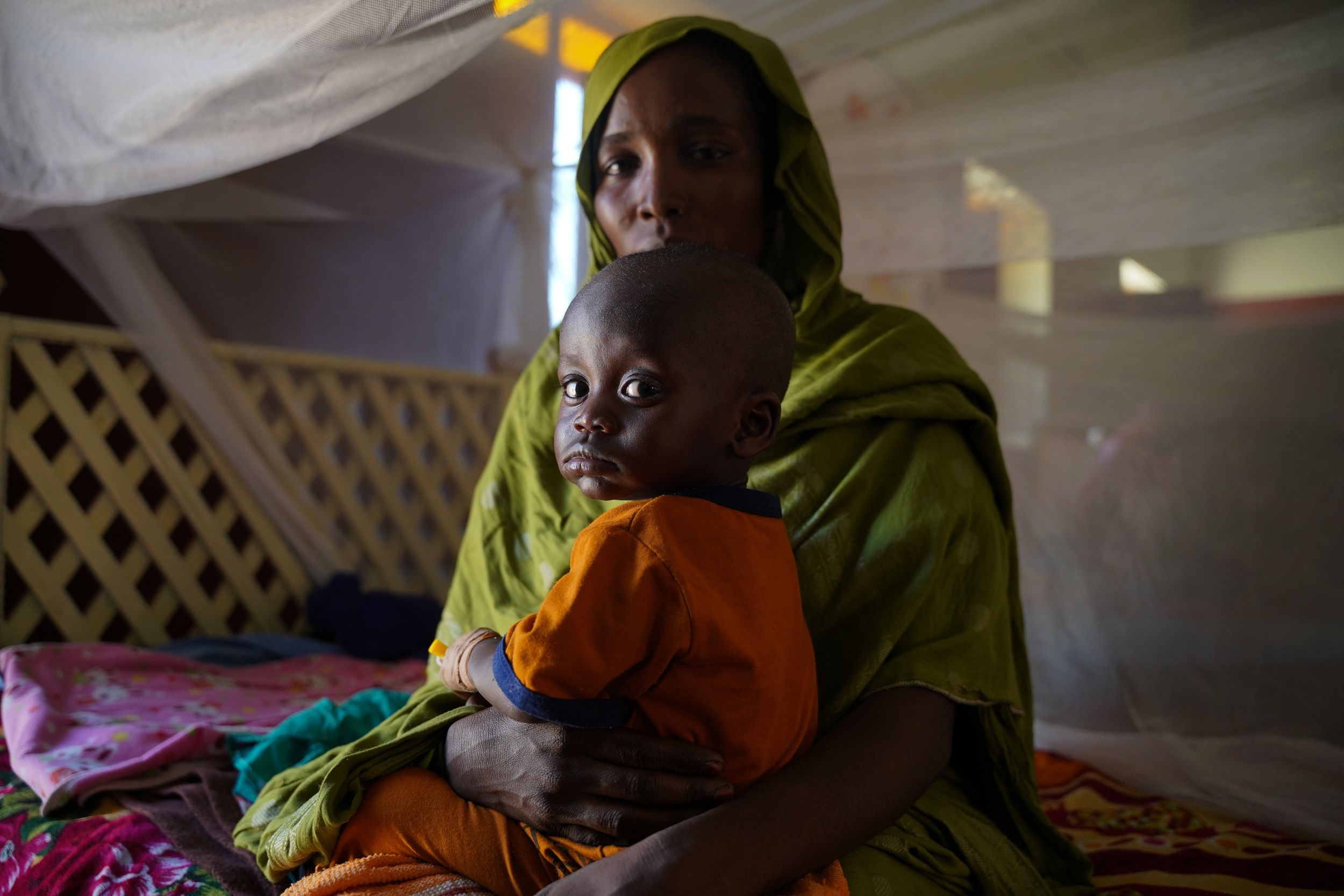
,,,,,,,,,,,
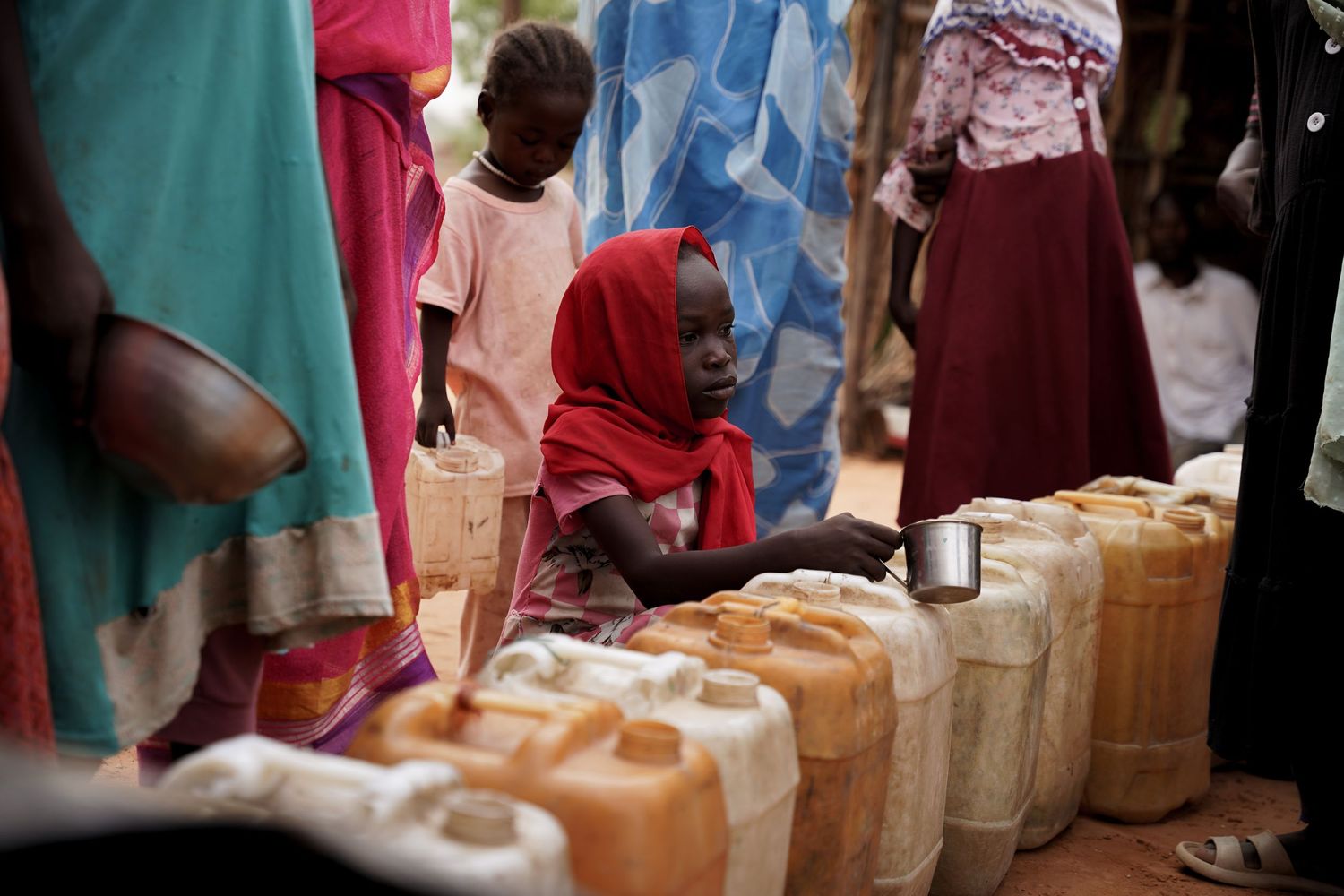
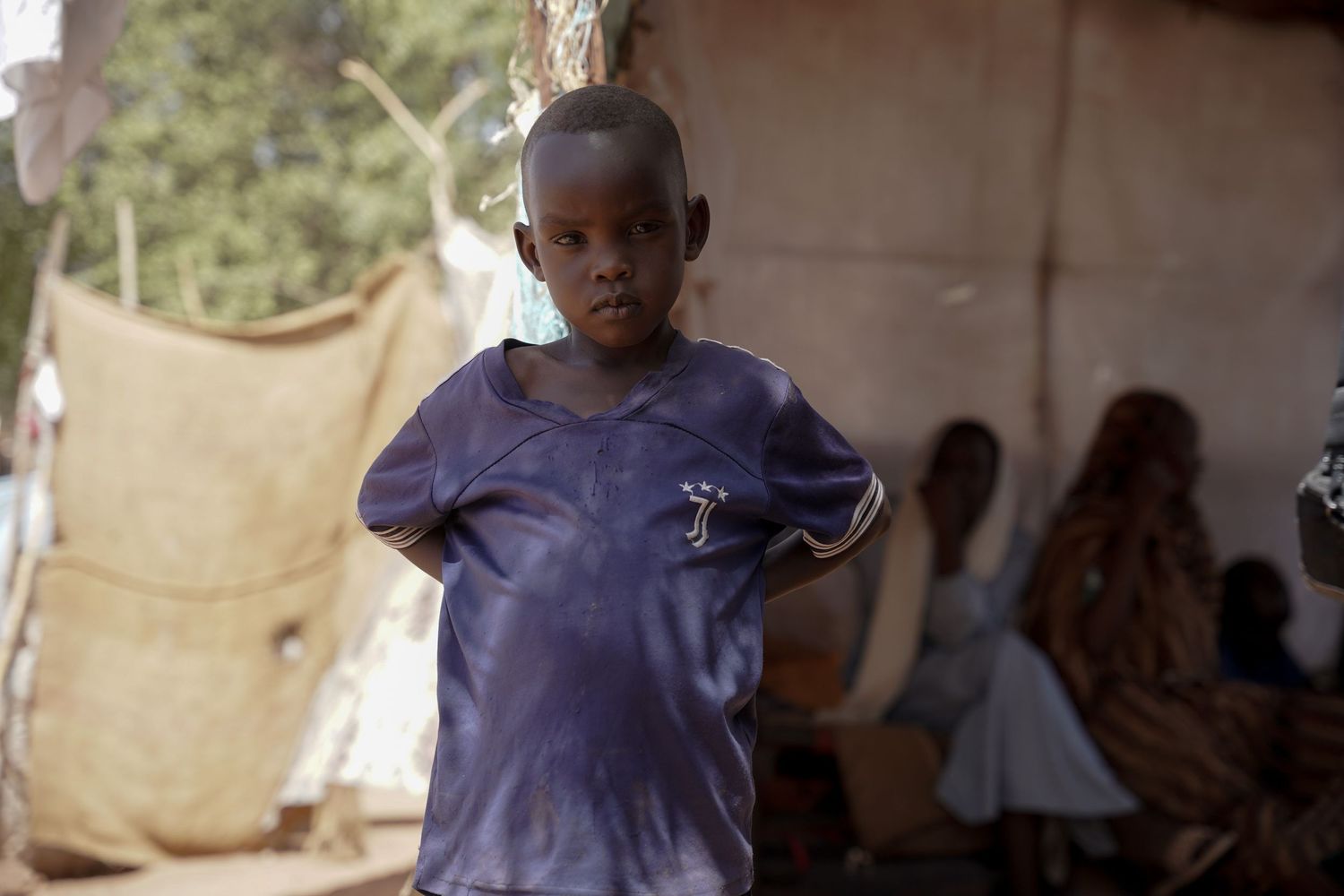
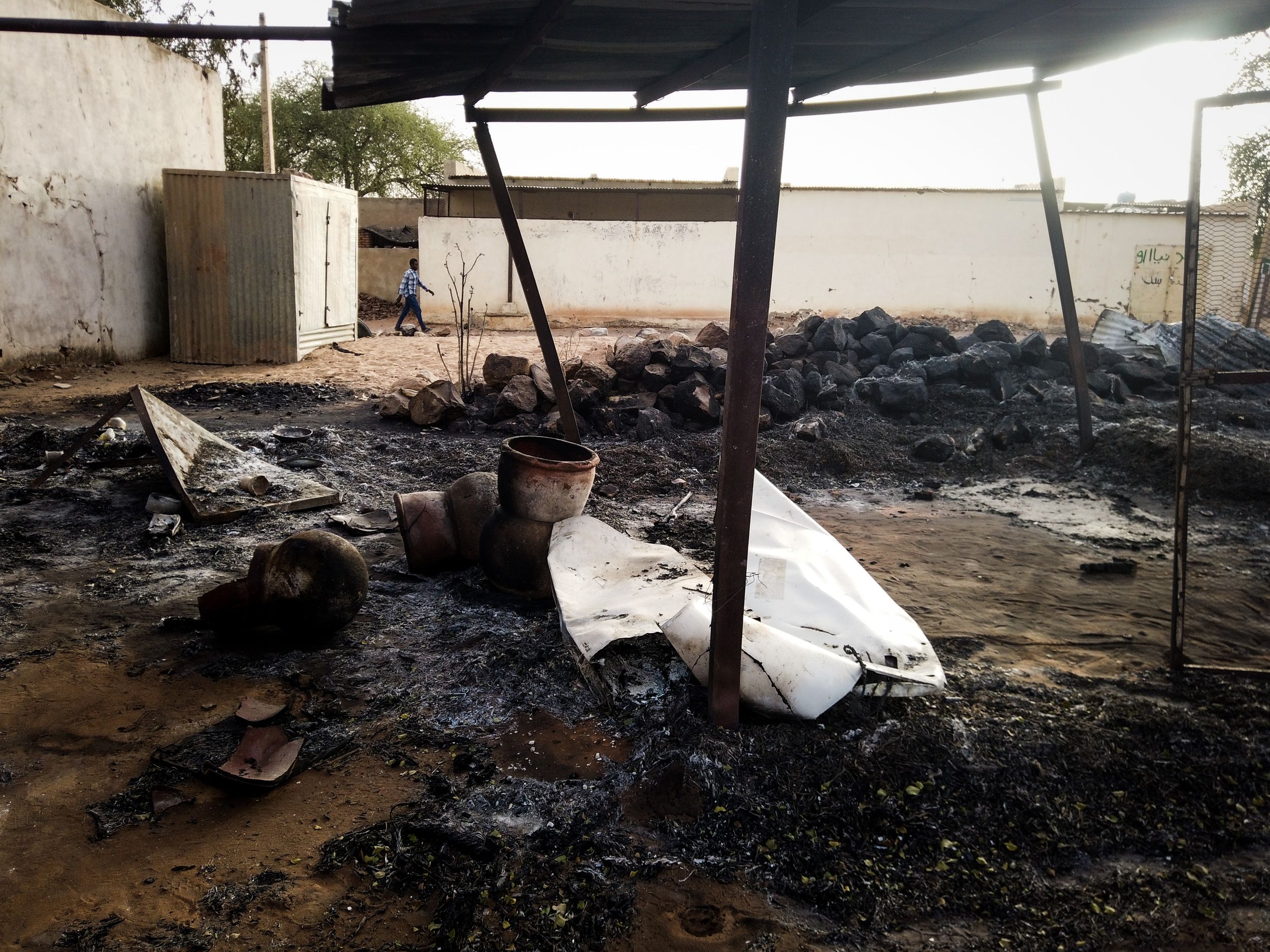
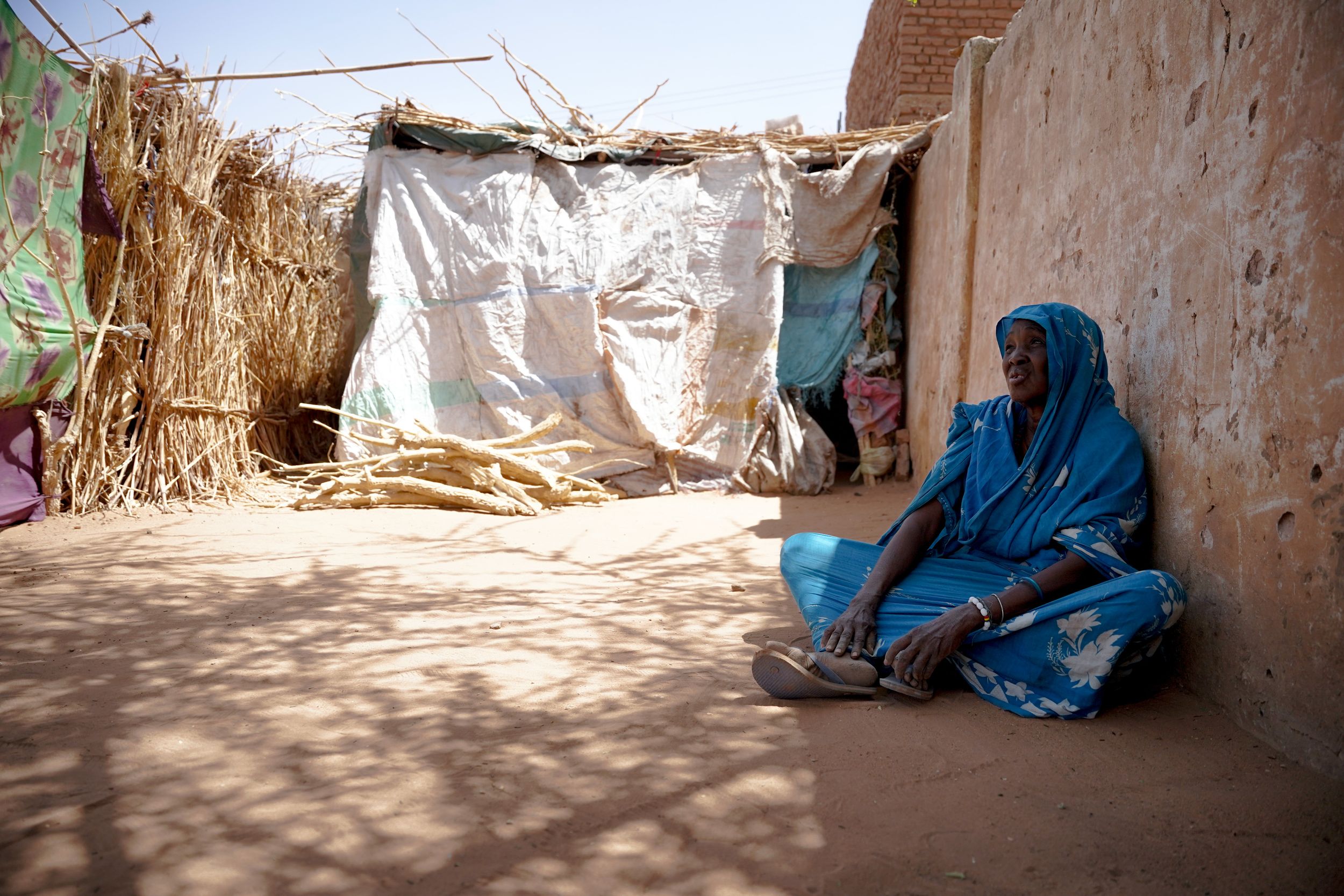
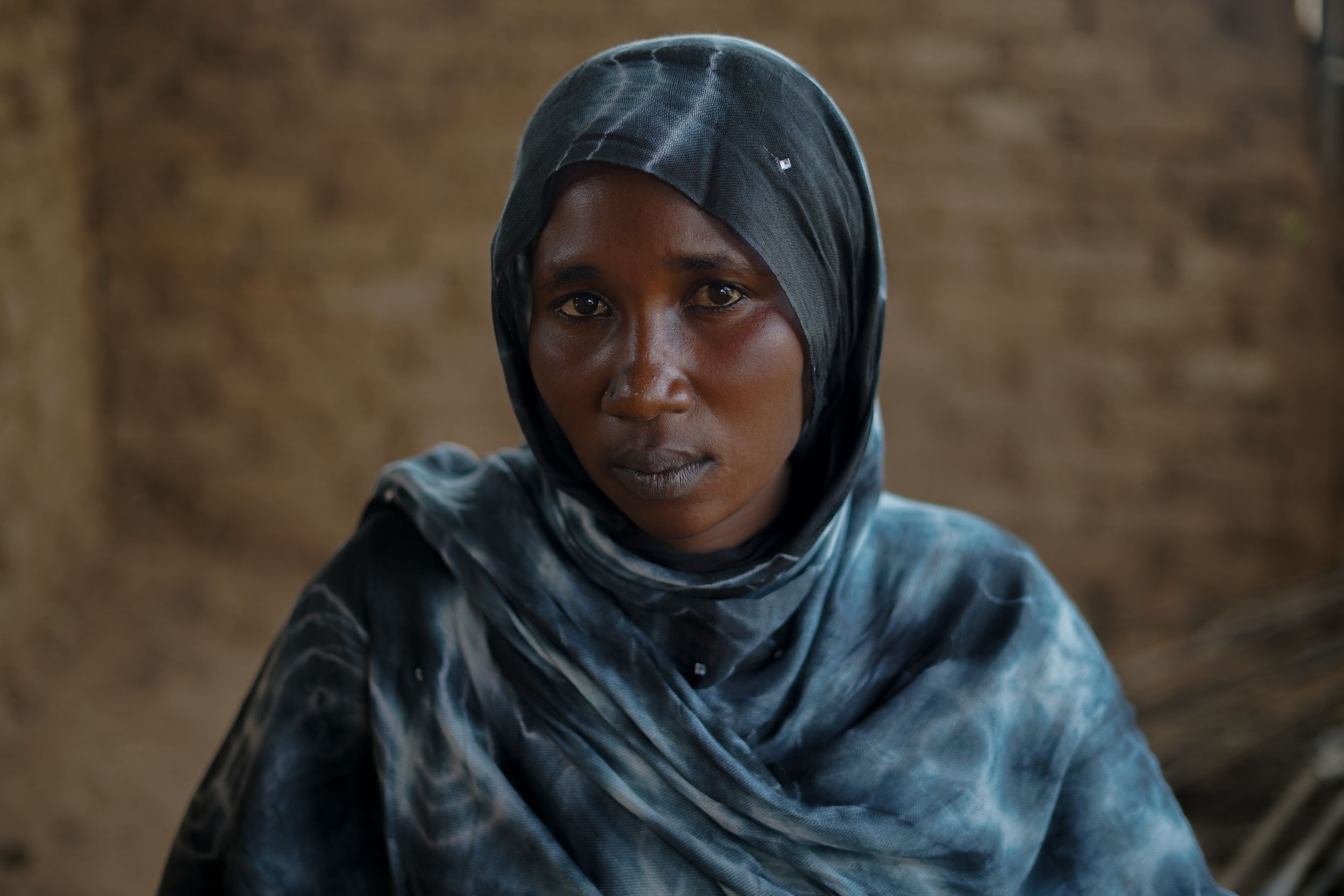
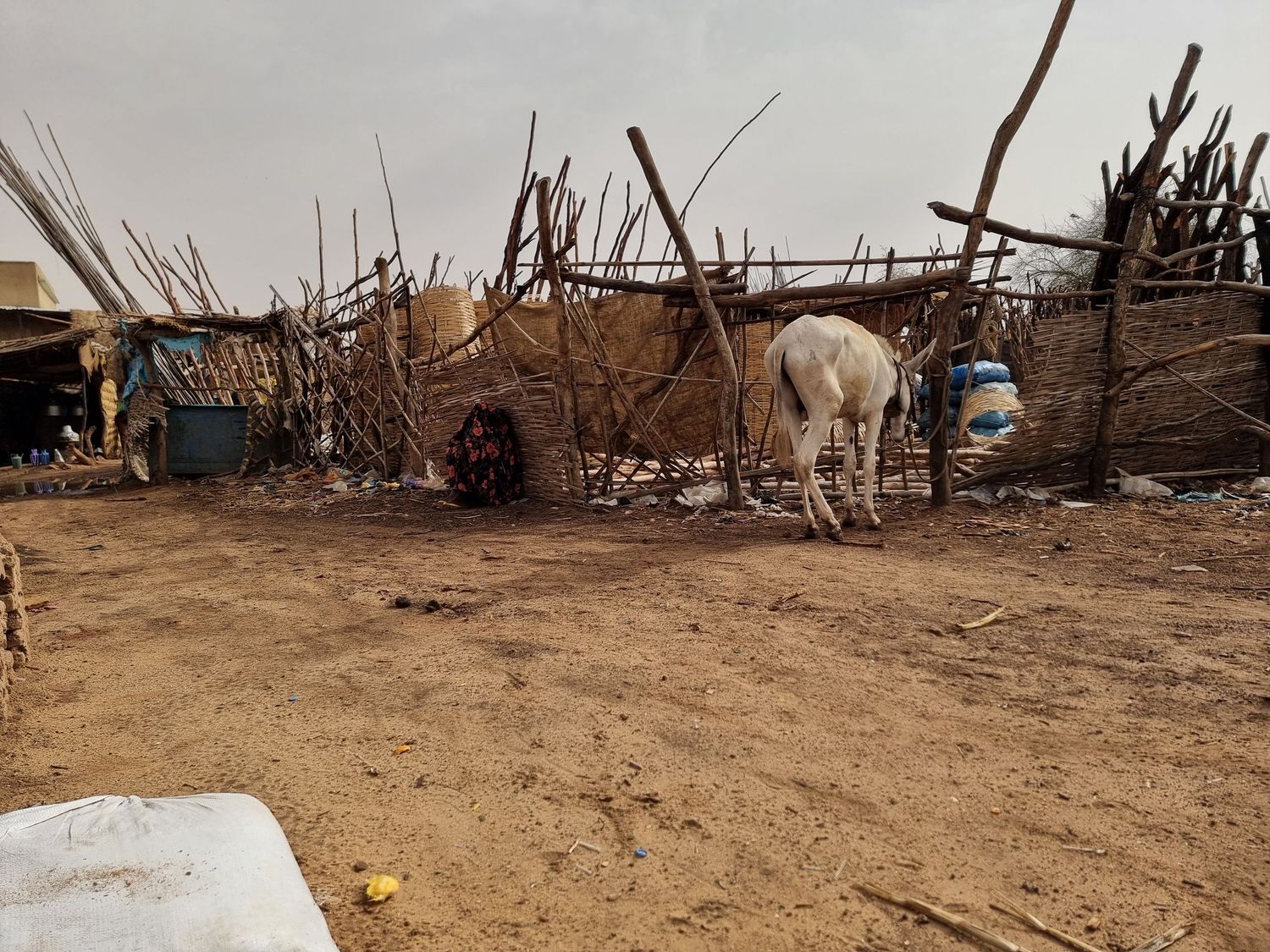
Outside the city walls,
bullets await any shadow that moves.
Life is an unforgivable crime
punished by death as you try to cling to it
Enter a Heading
Enter a Heading
This is a paragraph. Click edit and enter your own text. You can make changes like making the text bold, underline or italic. This is a great place for you to tell your clients more about your story and to describe the type of photographer you are. You can come back at any time to make more changes.
Enter a Heading
This is a paragraph. Click edit and enter your own text. You can make changes like making the text bold, underline or italic. This is a great place for you to tell your clients more about your story and to describe the type of photographer you are. You can come back at any time to make more changes.
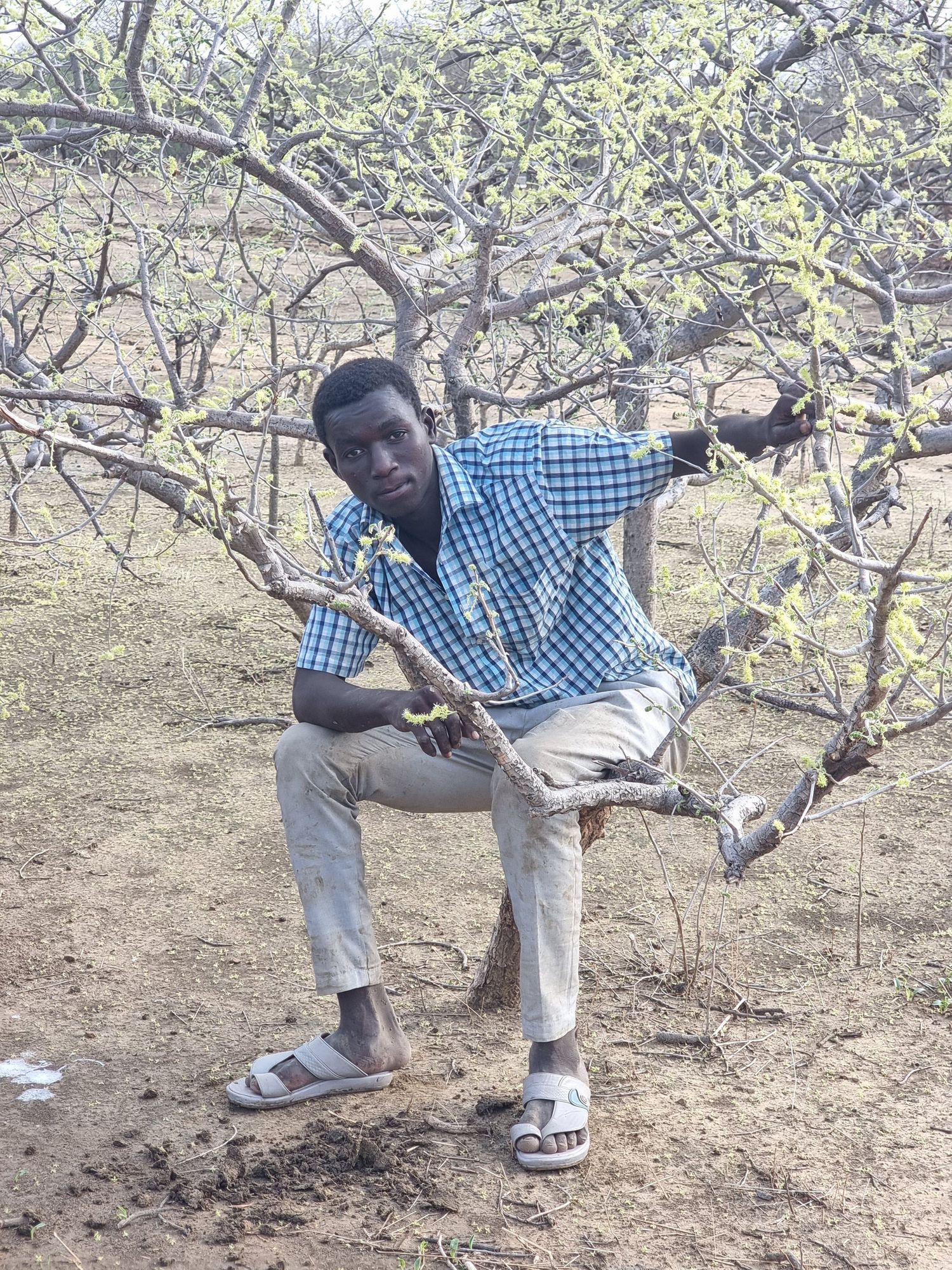
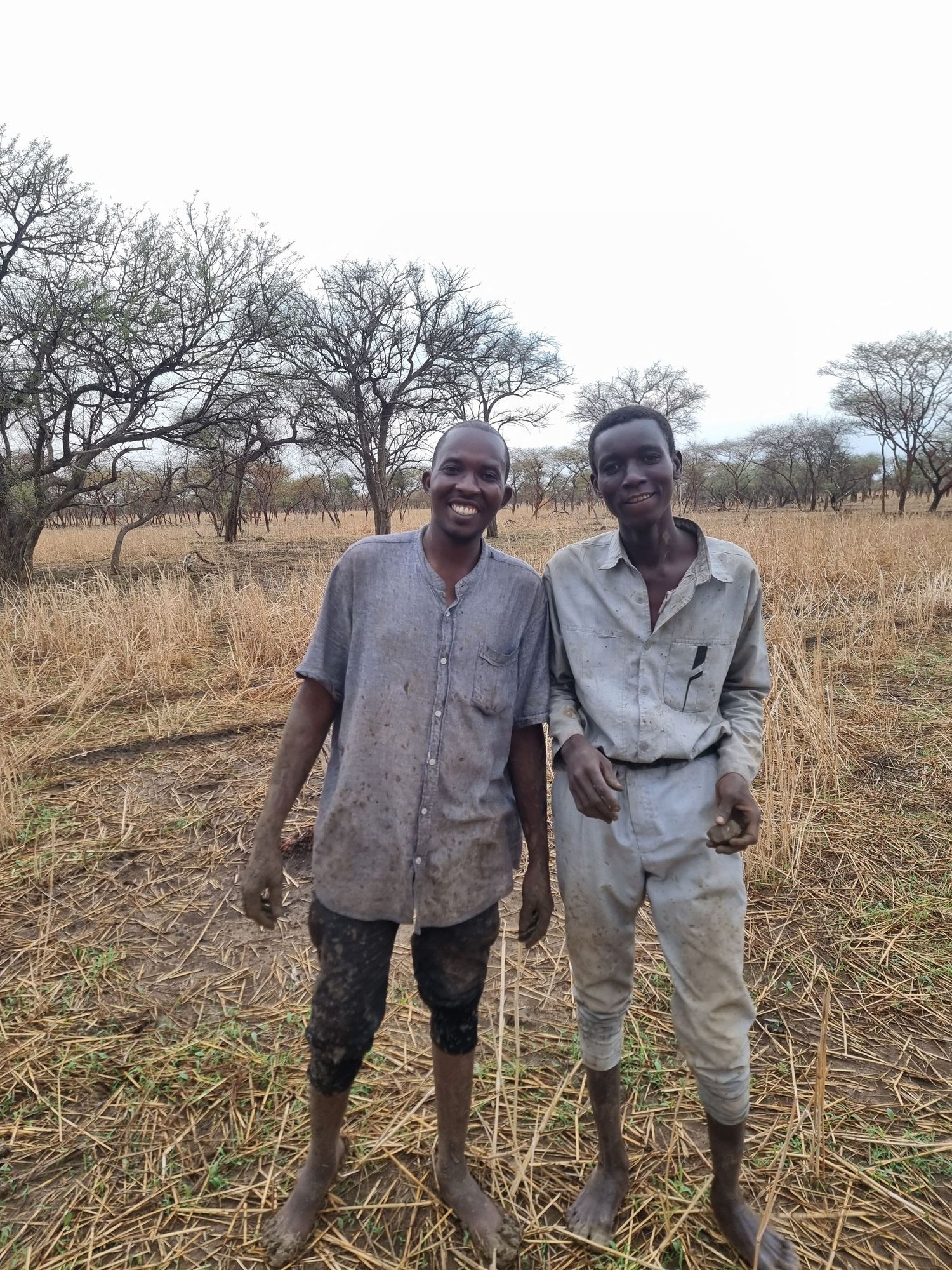
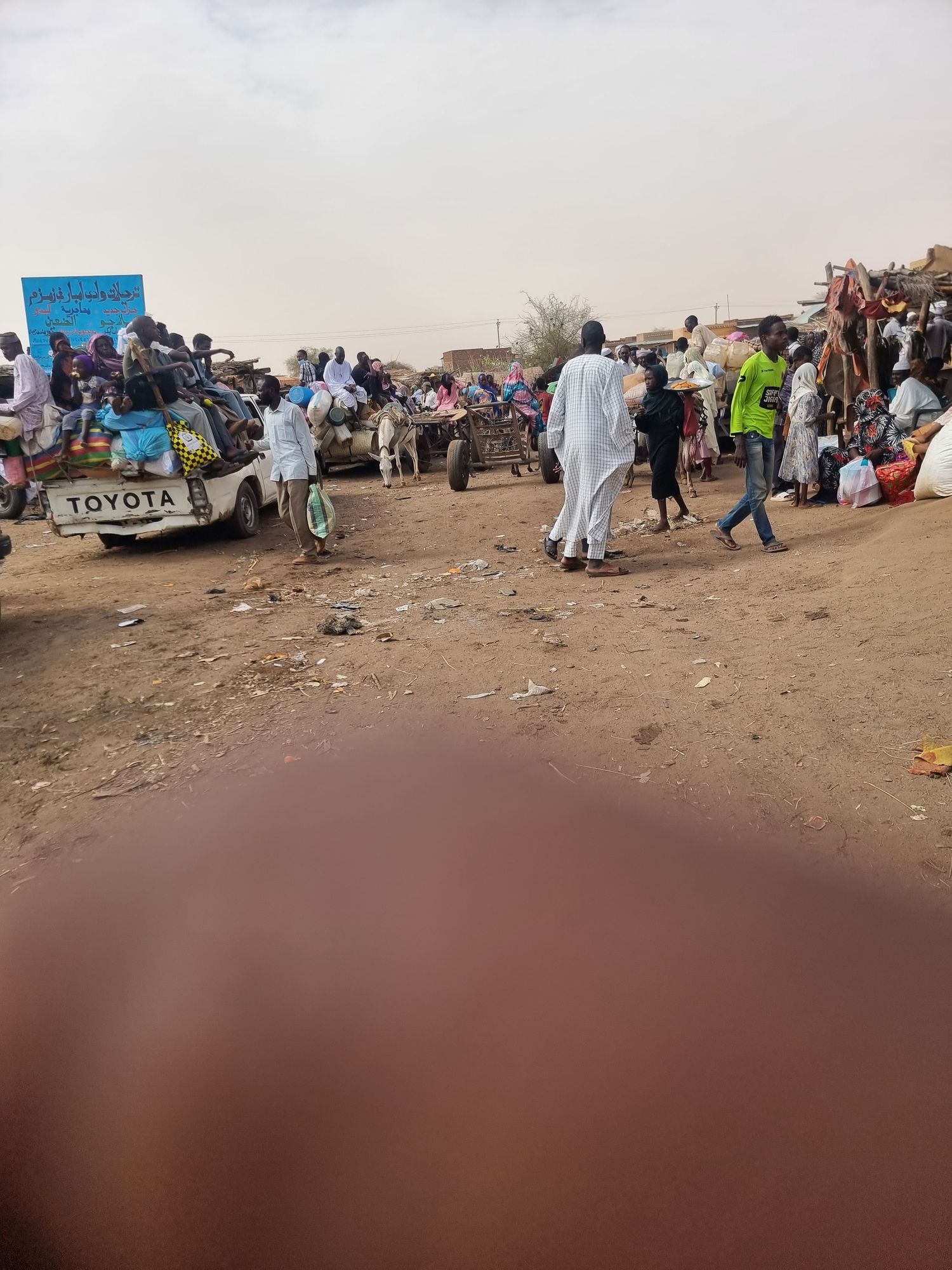
On the road, I came across Hassan, one of the survivors of the El Geneina massacre. He told me in a trembling voice what had happened:
He said he ran with his friend, fleeing from RSF soldiers. They entered the city’s mosque. Hassan hid behind the door, gasping for breath, while his friend remained in front.
In a brief moment, the soldiers caught his friend. They set him on fire. Hassan stood frozen behind the door, watching his friend burn, powerless to scream or save him.